Ever wondered why are bitcoin transaction fees so high? The answer lies in how Bitcoin works. It's about limited space, high demand, and how badly people want their transactions processed first.
What Drives Bitcoin Fees Up?
Bitcoin blocks have a size cap—only about 1 MB of data can fit every 10 minutes. When too many people want to send BTC at the same time, there's a traffic jam. Users then bid higher fees to get their transactions prioritized by miners.
This bidding system makes fees soar during busy periods, especially during bull runs or network-wide hype.
Do Larger Transactions Cost More?
Not in dollar value—but in data size. Fees are calculated based on how much space a transaction takes up in a block. If your transaction has many inputs or outputs (common with older wallets), it eats more bytes and costs more to confirm.
Simple transactions are cheaper. Complex ones with multiple parties or smart contracts? Expect to pay more.
How Do Miner Incentives Influence Fees?
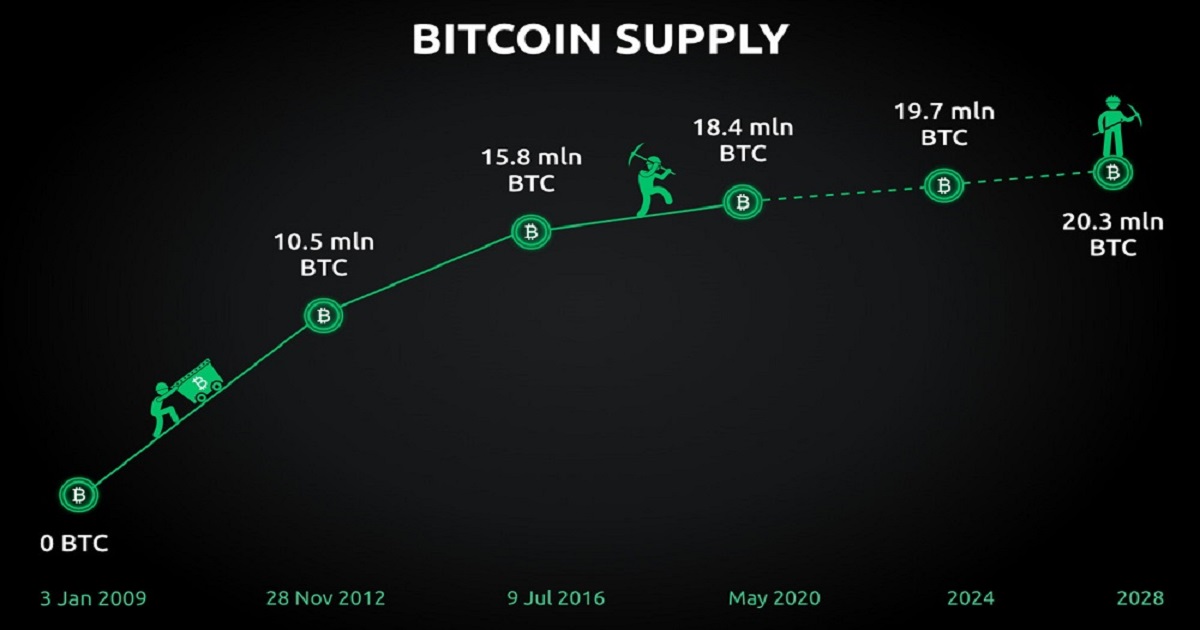
Miners earn two things: block rewards and transaction fees. As the block reward halves every four years, fees become increasingly vital. That's why miners prioritize higher-paying transactions—they're maximizing profit from limited space.
What Role Does the Mempool Play?
The mempool is the queue of pending transactions. When it's full, only the highest-paying ones get picked first. If your fee is too low, your transaction could sit in limbo for hours—or days—until the network clears up.
What's the Current Status in July 2025?
Bitcoin fees are relatively low right now—around $1.06 per transaction. That's down over 30% from last year and much lower than peak periods, like the $50+ average during past bull markets.
However, fee spikes still happen fast. In July 2025. fees jumped 20% in just one day due to increased on-chain activity.
Can You Reduce Your Fees?
Yes. Use SegWit-enabled addresses to reduce data size. Send during low-traffic times. Choose wallets that let you set custom fees. Or use the Lightning Network for near-zero fee transactions.
Also, avoid unnecessary UTXO fragmentation—consolidate small inputs when the network is quiet to avoid big fees later.
Conclusion: Are High Fees Inevitable?
So why are bitcoin transaction fees so high? It's about competition for space and incentive structures. But with Layer 2 solutions like Lightning and smarter wallet practices, you can often avoid the worst of it. Fees are a feature—not a flaw—of Bitcoin's decentralized, secure design.