The recent Bitcoin halving, an event expected to trigger a price surge, has left some scratching their heads. Bitcoin's price has not skyrocketed like in previous halving cycles. So, what is behind this muted post-halving performance, and will the price eventually climb?
The Halving and its Historical Impact:
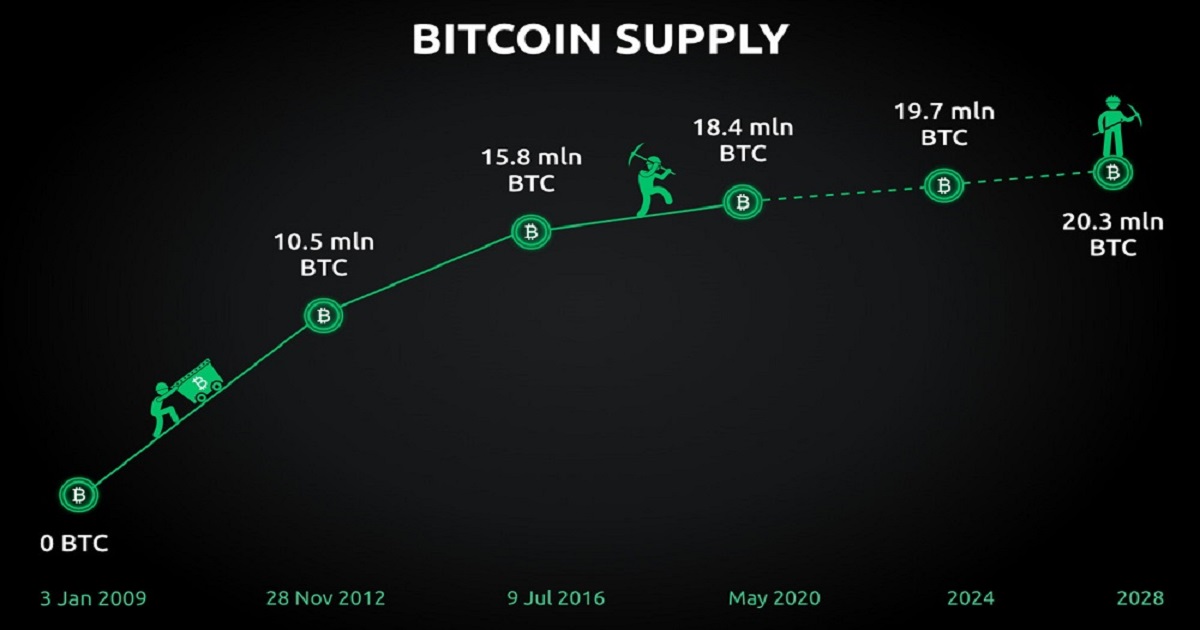
The Bitcoin halving is a pre-programmed event that cuts the block reward for miners in half roughly every four years. This scarcity mechanism aims to control the overall supply of Bitcoin and combat inflation. Historically, halving events have been followed by significant price increases:
2012 Halving: Bitcoin price rose from around $12 to over $1.100 within a year.
2016 Halving: Bitcoin price jumped from around $400 to over $20.000 within two years.
2020 Halving: Bitcoin price experienced a surge from around $7.000 to over $60.000 within a year.
Why is not the Price Reflecting the 2024 Halving (Immediately)?
Several factors could be contributing to the lack of an immediate price explosion after the 2024 halving:
Market Maturation: The cryptocurrency market has matured significantly since the earlier halving events. Increased institutional involvement and a wider range of cryptocurrencies can influence price movements. This means the impact of the halving might be more diffused compared to the past.
Macroeconomic Uncertainty: Global economic factors like inflation, interest rate hikes, and geopolitical tensions can overshadow positive news within the crypto space, potentially delaying a significant price increase for Bitcoin.
"Priced-In" Theory: Some argue that the potential price increase due to the halving might have already been "priced in" by the market in the months leading up to the event. This could explain a more muted initial reaction.
Could the Price Still Rise in the Long Term?
Despite the current stagnation, some factors could still drive Bitcoin's price up in the long run:
Scarcity Principle: The reduced supply of new Bitcoins entering circulation could gradually lead to increased demand and potentially drive up the price in the future.
Institutional Adoption: Continued interest from institutional investors seeking exposure to a potentially uncorrelated asset class like Bitcoin could bring a significant influx of capital to the market, eventually boosting the price.
Bitcoin as a Store of Value: If Bitcoin continues to gain recognition as a reliable store of value, especially amidst ongoing global economic uncertainties, its price could rise over time.
The Evolving Cryptocurrency Landscape
It's important to remember that the cryptocurrency space is still young and evolving rapidly. The post-halving price movement might not follow the exact pattern of previous cycles. New regulations, technological advancements, and unexpected events can all reshape the market dynamics.
Investor Takeaway:
While the lack of an immediate price surge might be surprising, investors should prioritize patience and a long-term perspective. The halving's impact on price might unfold gradually. Additionally, a diversified investment portfolio that considers other cryptocurrencies and asset classes can help mitigate risk and offer greater financial stability.
The recent Bitcoin halving has sparked discussions about the future of the cryptocurrency. While a short-term price increase might not have materialized, the underlying principles of scarcity and potential for wider adoption should continue to shape Bitcoin's long-term trajectory.
Why is not the Bitcoin Price Reflecting the 2024 Halving Immediately? - I hope this article was informative.