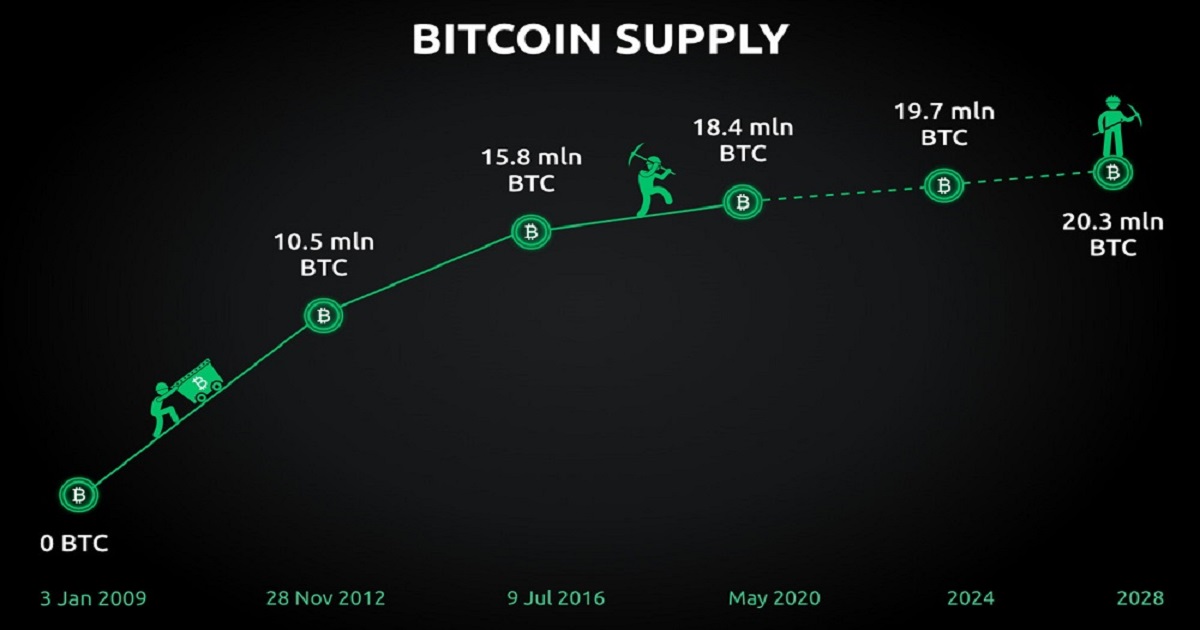
Why is the crypto bull run every 4 years? In short, it's tied to Bitcoin's halving, which cuts mining rewards in half roughly every four years. That triggers reduced supply, fresh optimism, and often sparks a new bull market. This predictable rhythm has shaped how investors anticipate and react to crypto's growth cycles.
What Is Bitcoin Halving and How Often Does It Happen?
Bitcoin halving reduces miner rewards by 50% every 210.000 blocks—about every four years. With fewer new BTC entering circulation, supply tightens, often triggering price surges.
How Does Halving Influence the Bull Run?
Less supply with steady or rising demand drives prices higher—a classic supply shock scenario. Historically, bull markets have followed halvings by 12–18 months, as seen after each halving event.
Does Market Psychology Play a Role?
Absolutely. The four-year cycle is reinforced by market sentiment—phases of fear, accumulation, euphoria, and correction repeat in sync with halvings. Institutions and retail investors converge in predictable patterns, amplifying the cycle.
Could This Cycle Break or Shorten?
Though the core four-year rhythm remains intact, institutional inflows and macro shifts may compress or stretch timelines. But the halving-based scarcity mechanism stays intact, keeping the cycle relevant.
Conclusion:
The answer to why the crypto bull run happens every four years lies in Bitcoin's halving schedule and the interplay of supply, demand, and human behavior. Expect more cycles ahead—timing may vary, but the pattern endures. Recognizing these dynamics gives investors a roadmap in the often unpredictable world of crypto.