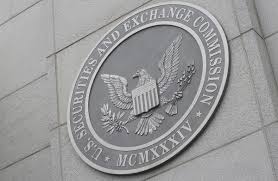
Binance.US, the U.S. arm of the global cryptocurrency exchange Binance, faced severe setbacks following a lawsuit filed by the U.S. Securities and Exchange Commission (SEC) in June, leading to significant operational challenges and workforce reductions, according to statements from a Binance.US executive.
Christopher Blodgett, the Chief Operating Officer of Binance.US, testified in December, shedding light on the repercussions of the SEC lawsuit. Blodgett described the situation as dire, stating that the exchange became "radioactive" in the eyes of banks, anticipating legal scrutiny from regulatory authorities once their association with Binance.US was revealed.
The SEC lawsuit, filed against Binance, Binance.US, and founder Changpeng "CZ" Zhao, accused the entities of various violations, including the sale of unregistered securities. Blodgett highlighted the aftermath of the legal action, noting the withdrawal of banking support for Binance.US, resulting in customers being unable to trade in U.S. dollars and hindering the acquisition of new clients.
The fallout from the SEC lawsuit led to a substantial outflow of assets from the Binance.US platform, totaling approximately $1 billion, as per Blodgett's testimony. Consequently, the company was compelled to undertake significant layoffs, affecting more than two-thirds of its workforce, as its revenue plummeted by an estimated 75% or more.
Institutional trust in Binance.US was severely impacted, with Blodgett indicating a sharp decline in market makers from over 20 to fewer than five following the legal proceedings. He characterized the situation as a "near-fatal blow" at the highest organizational level, underscoring the gravity of the challenges faced by the exchange.
Despite settlements reached by Binance and Zhao with various regulatory bodies regarding money laundering and terrorism financing violations, the SEC continues to pursue its case against Binance and Zhao, seeking evidence to support its allegations against the exchange. Zhao pleaded guilty to money laundering charges and faces a potential prison sentence of up to 18 months, reflecting the ongoing legal ramifications for the individuals and entities involved.