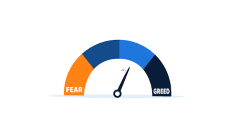
The synchronized drop in alternative assets serves as a harsh reminder to readers that shifting macroeconomic policies can rapidly diminish the appeal of non-yielding hedges.
Key Takeaways
• Rising interest rate expectations have triggered a simultaneous sell-off in both Bitcoin and gold.
• The recent crypto price bounce was driven by $500 million in short liquidations rather than organic spot buying.
• Global equities and tech stocks are experiencing heavy risk-off sentiment as traders await critical United States inflation data.
• Federal Reserve Chair Kevin Warsh is expected to maintain a hawkish stance, pressuring assets that thrived on loose monetary policy.
Declining Non-Yielding Assets
Bitcoin dropped to a price of $61,233, representing a decline of 3.00% over a 24-hour period and a 6.90% loss for the week according to CoinDesk data. Concurrently, gold fell by 2.00%, pushing the precious metal below the psychological threshold of $4,200 per ounce. Because neither asset pays a yield or dividend, their attractiveness diminishes rapidly when central banks signal higher interest rates for longer periods. Consequently, capital is rotating away from these traditional stores of value and into interest-bearing instruments like United States Treasury bonds, which currently yield 4.54% on the 10-year note.
Short Squeeze, Not Fresh Buying
The brief crypto market relief rally observed earlier in the week was largely an artificial artifact of derivatives market mechanics rather than sustainable institutional accumulation. More than $500 million in bearish short positions were forcefully liquidated across centralized exchanges, marking the highest volume of short liquidations since April. Market data from sFOX indicates that genuine spot market demand failed to materialize behind the derivatives-driven bounce. Institutional inflows via United States spot Bitcoin exchange-traded funds (ETFs) remain subdued, leaving prices vulnerable to ongoing sell-offs when new buying cannot absorb structural selling pressure.
Broad Market Risk-Off
The repricing of global risk assets extends far beyond cryptocurrencies and precious metals, heavily impacting technology equities and international markets. South Korea's Kospi index tumbled 6.30% due to heavy exposure to artificial intelligence chipmakers, dragging the broader MSCI Asia-Pacific equity gauge down by 2.50% in its fourth loss out of five sessions. Meanwhile, Nasdaq 100 futures pointed 0.80% lower heading into the North American trading session, reflecting extreme volatility on Wall Street. Energy markets also remain elevated, with Brent crude trading near $92 a barrel as renewed United States strikes on Iran keep geopolitical risk premiums intact.
Inflation Data Watch
The ultimate trajectory of both digital assets and traditional equities hinges upon Wednesday's upcoming United States Consumer Price Index (CPI) report. Analysts project that core inflation will edge higher to 2.90%, a reading that would firmly validate a hawkish pivot from the Federal Open Market Committee (FOMC). A hotter-than-expected inflation print would leave newly inaugurated Federal Reserve Chair Kevin Warsh with little choice but to signal further monetary tightening to cool the economy. If gold manages to stabilize while Bitcoin continues to slide following the data release, the long-standing investment thesis supporting cryptocurrency as a reliable macro hedge will face severe institutional scrutiny.
Conclusion
Ultimately, the simultaneous drop in Bitcoin and gold confirms that aggressive interest rate policies penalize all non-yielding stores of value indiscriminately. Investors looking to navigate this volatile environment should closely monitor Wednesday's inflation print and adjust their risk exposure downward until spot demand reliably returns to the market.