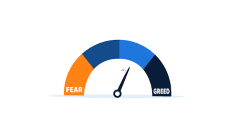
Bitcoin's market capitalization surged above $1 trillion as its price crossed $51,000, fueled by rising investor optimism amid the ongoing bull market and increased adoption of spot Bitcoin trading. The current circulating supply of Bitcoin stands at 19,627,443 BTC, representing 93.46% of its total supply, with a hard upper limit of 21 million coins.
The approval of U.S. exchange-traded funds (ETFs) is one of the factors contributing to the positive sentiment in the Bitcoin ecosystem. This approval reflects growing mainstream acceptance and investment interest in Bitcoin, with implications extending beyond price appreciation to various aspects of the cryptocurrency market.
Both individual and institutional investors have contributed to the recent surge in Bitcoin's price, reminiscent of the previous bull run in November 2021 when Bitcoin first reached a $1 trillion market capitalization and soared to an all-time high of $69,000. During that time, the bullish momentum extended to the entire cryptocurrency market, propelling its total market capitalization to $3 trillion for the first time.
The upcoming Bitcoin halving event is anticipated to have a significant impact on the cryptocurrency's market dynamics. Grayscale analysis suggests that the introduction of a Bitcoin ETF could alter the supply-demand equation, mitigating the selling pressure typically associated with halving events. Currently, the mining rate yields approximately $14 billion annually based on a price of $43,000 per Bitcoin. However, with the halving, this mining rate will be halved to 3.125 Bitcoins per block, reducing the annual mining rewards and potentially easing selling pressure.
The price of Bitcoin plays a crucial role in determining the viability of mining operations, as it directly affects operating costs. The forthcoming halving event, which will cut mining rewards to 3.125 BTC per block, underscores the need for Bitcoin to maintain a substantial market capitalization to sustain profitability for miners.