Bitcoin has retraced below a critical psychological support level, creating a period of heightened uncertainty for digital asset holders and global market participants.
Key Takeaways
Price Drop: Bitcoin fell to a low of $76,720, breaking the $77,000 threshold.
Geopolitical Trigger: Renewed tensions between the US and Iran have sparked a rotation into safe-haven assets.
Inflation Pressure: Brent crude reaching $111 per barrel has raised expectations of prolonged high interest rates.
Institutional Exit: Bitcoin ETFs recorded a massive $1 billion net outflow in a single week.
Support Breach and Session Low Analysis
Bitcoin (BTC) plummeted to a session low of approximately $76,720 on May 18, 2026, marking a decisive break from the previous weeks of consolidation above the $80,000 range. This downward movement signifies a major technical breakdown that disrupted local support levels and shifted short-term momentum. According to the specific market report "Bitcoin Slips Below $76k Amid AI, Iran Jitters" published by Investing.com, the velocity of the decline triggered a significant sentiment shift as traders failed to sustain a brief recovery above $79,000.
Geopolitical Friction
The primary catalyst for this sell-off appears to be the escalating diplomatic hostilities between Washington and Tehran. Former US President Donald Trump issued a stern warning to the Iranian government on social media, which market analysts interpret as a sign of potential military or economic escalation. As reported by The Block Crypto News, this geopolitical instability has led investors to reduce exposure to "risk-on" assets in favor of traditional capital preservation.
Energy and Inflation
Simultaneously, the energy market is exerting downward pressure on Bitcoin as oil prices surge due to Middle Eastern instability. Brent crude has climbed to $111 per barrel and WTI has risen above $107 per barrel, according to pricing data cited by Investing.com. We see this spike fueling fears that the Federal Reserve will maintain interest rates at 5.25% or higher for a longer duration to combat persistent inflation resulting from high energy costs.
Institutional Outflows
Institutional confidence has shown signs of fracturing as the macroeconomic backdrop darkens. In the week ending May 17, 2026, Bitcoin spot ETFs saw net outflows totaling approximately $1 billion, per the latest fund flow analysis from The Block Crypto News. This concludes a six-week streak of net inflows, suggesting that large-scale fund managers are pivoting toward cash and short-term Treasuries to hedge against volatility.
Market Impact
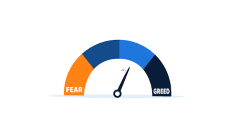
Market sentiment has shifted aggressively from optimism to caution, as reflected in the Bitcoin Fear and Greed Index falling to a value of 27. This level indicates a state of "Fear" among participants, often leading to reduced trading volumes and increased volatility. Furthermore, the strengthening US Dollar Index (DXY) and rising 10-year Treasury yields are making non-yielding assets like Bitcoin less attractive to traditional desks.
Conclusion
The recent drop below $77,000 highlights Bitcoin's continued vulnerability to global political shifts and energy-driven inflation. While some market experts view this as a necessary correction for a healthy long-term market structure, the immediate outlook remains cautious.