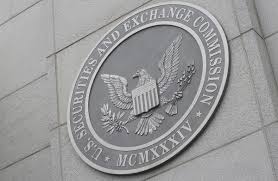
Coinbase has fired back at the U.S. Securities and Exchange Commission (SEC), claiming that the regulator overstepped its authority when it classified cryptocurrencies listed on the platform as securities. The cryptocurrency exchange made its argument in a final lawsuit response, dismissing the SEC's initial legal action.
In the document filed with a New York district court on October 24, Coinbase criticized the SEC's broad definition of securities. The exchange contended that cryptocurrencies listed on its platform did not fall under the SEC's jurisdiction. According to Coinbase, the SEC's authority is limited to overseeing securities transactions, specifically those involving "investment contracts." Coinbase maintained that the transactions in question did not meet this criterion.
Coinbase went on to argue that the SEC had significantly expanded its authority and attempted to assert control over nearly all investment activities. The exchange claimed that such a broad assertion of authority could only be made by Congress under the material issues doctrine, not by the SEC.
In response to Coinbase's claims, the SEC's Chief Legal Officer, Paul Grewal, argued that the SEC's definition of securities is not restrictive and encompasses the various cryptocurrencies listed on the platform.
This legal dispute began when the SEC sued Coinbase on June 6, alleging that the exchange had violated U.S. securities laws by listing tokens that qualified as securities without registering them with the regulator. Coinbase subsequently filed a motion on June 29, seeking judgment and contending that the SEC had abused its authority while infringing on Coinbase's due process rights.
The case's presiding judge, Katherine Polk Failla, is expected to consider Coinbase's response, and oral arguments may be requested before a ruling or hearing with a jury is proposed or scheduled.