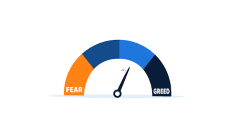
In a single trading window, gold, stocks, and Bitcoin all moved sharply lower. Assets that usually behave differently fell at the same time, surprising many investors. With economic data still looking strong, the sudden sell-off raised a key question: what is really behind this move?
What Looks Like the Cause at First Glance?
At first, attention turned to familiar explanations. Ongoing geopolitical tensions increased uncertainty, while comments about the U.S. dollar added pressure to markets. Normally, these factors push money toward safe assets like gold. This time, even gold fell, suggesting the cause runs deeper than headlines.
What Is Happening to Tech Stocks and AI Optimism?
Large technology stocks, often grouped as the “Magnificent Seven,” have been the backbone of recent market gains. Recently, investors have started to question whether heavy spending on artificial intelligence will deliver enough profits. Earnings reports now face higher expectations, and any disappointment is punished quickly. As confidence weakens, selling spreads from tech stocks to the broader market. This shift has also weighed on AI stocks, a term that has seen strong search interest.
Is Liquidity the Real Problem?
A key issue is liquidity. Short-term funding indicators suggest that cash in the financial system is tighter than before. When liquidity tightens, investors often sell risky assets first to raise cash. This explains why stocks, commodities, and crypto moved down together. The focus is not on finding returns, but on preserving access to cash and U.S. dollars.
Why Does Bitcoin Fall with Everything Else?
Bitcoin is often described as digital gold, but in practice it still trades like a risk asset. When global investors reduce risk, Bitcoin price tends to fall quickly. This pattern has appeared before during periods of financial stress, when demand for liquidity outweighs long-term narratives.
Could This Be Like Past Market Shocks?
Some compare the current move to earlier moments when liquidity dried up and markets sold off broadly. While the scale is different, the behavior is similar: investors sell first and ask questions later. That is why the phrase stock market crash has reappeared in online searches, even if the situation has not reached that level yet.
Conclusion
What Should Investors Watch Next? This sell-off is less about one event and more about a change in confidence. Questions around tech valuations, tighter liquidity, and slowing optimism are reshaping market behavior. Whether this turns into a deeper downturn will depend on how liquidity conditions and expectations evolve. For now, the message from markets is clear: risk is being reassessed across all asset classes at the same time.