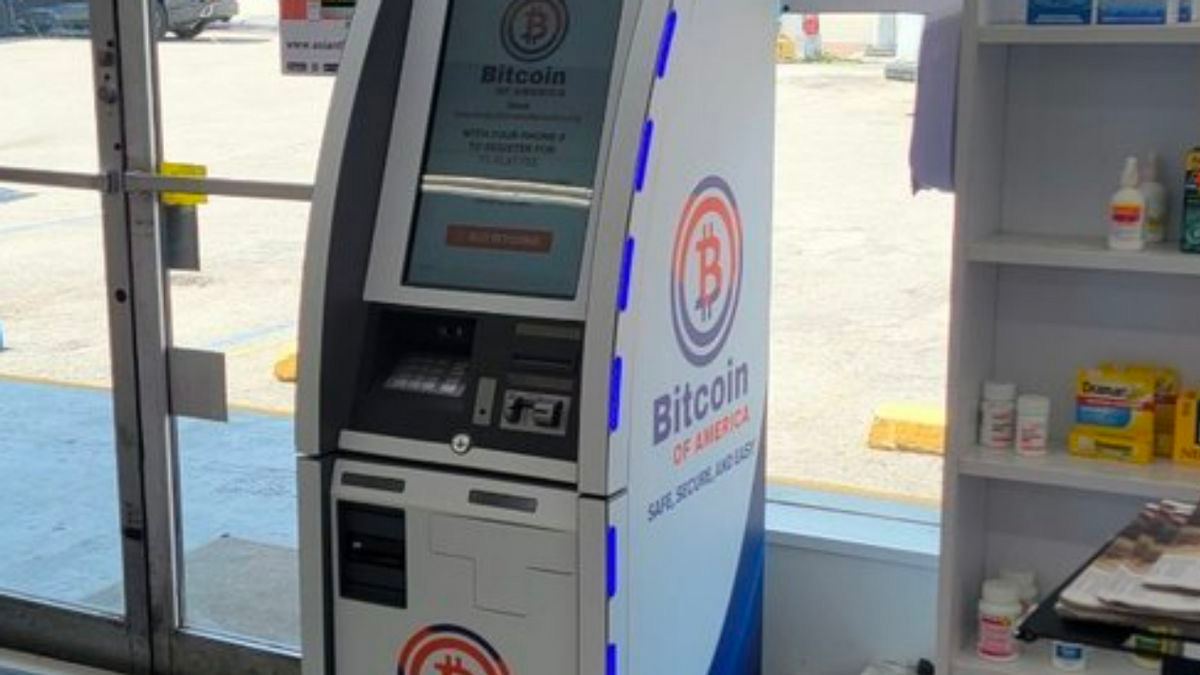
A report issued by the Federal Reserve Bank of Kansas City has highlighted the continued growth of the cryptocurrency ATM business in the United States, despite criticism regarding illegal or predatory practices. Cryptocurrency ATMs, which can exchange Bitcoin and other cry ptocurrencies for fiat currencies, have has been gaining popularity with a growing customer base. The report suggests that this customer base could benefit from better education about cryptocurrencies.
Cryptocurrency ATMs, similar to traditional ATMs, are often situated in high-traffic locations and charge a service fee. However, the report acknowledges that one source of controversial surrounding cryptocurrency ATMs is the relatively high fee they charge, which averages ar sound 15-16% . Some operators may also set unfavorable exchange rates, effectively resulting in fees as high as 20% in many cases.
The report identifies four main user groups for cryptocurrency ATMs. Some users prefer cash transactions and may not have a bank account. Older individuals who find traditional ATMs more familiar than cryptocurrency exchanges form another segment. Convenience-driven users also make use of ATMs, while some value the relative anonymity they provide. It's worth noting that cryptocurrency ATMs do require some level of identification, such as a phone number, and are subject to state and federal regulations, including anti-money laundering rules.
Minorities and immigrants represent significant user groups for cryptocurrency ATMs. Immigrants often use these ATMs for peer-to-peer transactions, such as remittances. The report notes that the cost of using cryptocurrencies obtained from Bitcoin ATMs for remittances may be comparable to using cash through third-party services, taking into account factors like convenience, time savings, and transaction certainty.
The cryptocurrency ATM industry has faced criticism for potentially predatory practices, where high-risk and high-cost services are marketed to economically disadvantaged groups as a means to access potentially lucrative financial investments. The report also highlights that cryptocurrency ATMs have been involved in facilitating money laundering and fraud, potentially posing significant risks to the public. While industry statistics are often limited and unreliable, the report indicates that the sector is growing following a downturn during the COVID-19 pandemic, with some operators experiencing substantial revenue growth.