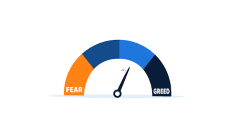
In March, consumer prices surged beyond expectations, intensifying concerns over inflation and potentially delaying anticipated interest rate cuts by the Federal Reserve. The U.S. Department of Labor's Bureau of Labor Statistics revealed a 0.4% increase in the Consumer Price Index (CPI), propelling the 12-month inflation rate to 3.5%, surpassing February's rate by 0.3 percentage points. Economists, previously surveyed by Dow Jones, had anticipated a 0.3% growth, equivalent to a 3.4% year-over-year increase.
Core CPI, excluding the volatile food and energy sectors, also witnessed a 0.4% month-on-month rise and a 3.8% year-on-year increase, exceeding forecasts of 0.3% and 3.7%, respectively. Following the release of this data, stock markets plummeted, while Treasury yields surged. The escalation in prices was chiefly attributed to housing and energy costs, contributing to across-the-board increases in various project indices.
Energy costs surged by 1.1%, following a 2.3% rise in February, while housing expenses, constituting about a third of the CPI's weight, rose by 0.4% this month and 5.7% year-on-year. Contrary to expectations of a decline in housing-related costs, pivotal to the Fed's anticipation of cooled inflation, recent data challenges this assumption. Food prices experienced a marginal 0.1% month-on-month increase and a 2.2% year-on-year increase, with notable fluctuations observed in specific categories.
Despite a 0.9% increase in prices for meat, fish, poultry, and eggs, driven particularly by a 4.6% surge in egg prices, certain food items experienced declines. Butter prices fell by 5%, while cereals and bakery products witnessed a 0.9% decrease. Notably, eating out saw a 0.3% increase. Additionally, used car prices dropped by 1.1%, while medical services prices rose by 0.6%. The persistently rising inflation presents challenges for workers, with real average hourly earnings remaining stagnant in March, growing merely 0.6% over the past year.
Amidst market volatility, Federal Reserve officials have expressed caution regarding the short-term trajectory of monetary policy. The March report likely reinforces concerns that inflation may be more pronounced than anticipated. Expectations for interest rate cuts, initially projected for June with three cuts expected throughout the year, have undergone a significant shift following the release of this data. Analysts now anticipate the first rate cut to occur in September, signaling a more conservative approach by the Federal Reserve in response to inflationary pressures. Later today, the Federal Reserve will release minutes from its March meeting, offering additional insights into policymakers' perspectives on monetary policy. With doubts lingering among Fed officials about the necessity of rate cuts, the ongoing economic data will play a crucial role in shaping future decisions.