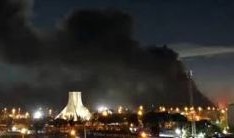
Global markets locked into a "split-screen" environment this week as energy prices spiked following a reported blockade of a critical shipping corridor, even as US equities powered through the geopolitical noise to hit fresh yearly highs. The divergence highlights a growing gap in how different asset classes are interpreting global risk: while energy traders brace for an immediate physical supply crunch, equity investors remain anchored to corporate earnings and long-term growth.
A Dual Supply Squeeze
The surge in crude prices was driven by a compounding supply shock. Beyond the immediate maritime blockade—which has effectively choked off a key transit route—new production data revealed a sharp monthly contraction in output from OPEC member nations.
This "double hit" of reduced production and restricted transit has forced a rapid repricing of Brent and WTI benchmarks. Traders have aggressively embedded a "disruption premium" into prices, reacting to the reality that global supply conditions are tightening significantly faster than anticipated.
Why Stocks are Decoupling
Under normal circumstances, a sharp rise in energy costs acts as a drag on the economy, typically sending stocks lower. However, the S&P 500 and Nasdaq extended their rallies, signaling a rare decoupling from the energy sector. Analysts suggest this resilience is driven by three key factors:
- Earnings Over Energy: Equity markets are currently prioritized on strong quarterly earnings reports, which have provided a buffer against rising input costs.
- The "Temporary Shock" Bet: Stock positioning suggests investors view the blockade as a transient geopolitical event rather than a permanent structural threat to global trade.
- Macro Liquidity: Continued confidence in macro stability and market liquidity has kept "risk-on" sentiment high, allowing investors to overlook near-term volatility.
The Fragmented Risk Outlook
The current market split signals a fragmented environment where different asset classes are operating on different timelines. While energy markets are hyper-focused on the physical crisis happening today, equities are looking six to nine months down the road, betting that growth will outlast these supply chain bottlenecks.
Conclusion
As the blockade continues, the tension between energy-driven inflation signals and equity-driven optimism will likely tighten. For now, the market remains divided: oil prices reflect the physical reality of a constrained world, while US stocks continue to signal an unwavering confidence in the broader economic trajectory.