Headline U.S. inflation fell in December to its lowest level since late 2021, fueling hopes that the Federal Reserve will soon be able to stop raising interest rates.
Official data showed that the consumer price index fell 0.1% from November to an annual rate of 6.5%, down from 7.1% in the previous month. The monthly decline in the index was lower than analysts' expectations and was unchanged, but the annual rate was in line with consensus estimates.
Once you strip out volatile factors such as food, energy and auto sales, inflation dynamics still look slightly stronger. "Core" CPI rose another 0.3% last month, up slightly from November, and the annual core rate rose 5.7%.
The dollar fell to its lowest level in seven months after the news, as markets priced in an earlier and lower end to the Fed's tightening cycle. The U.S. dollar index , which tracks the greenback against a basket of developed market currencies, was down 0.6% at 102.32 by 08:50 ET (13:50 GMT), tracking the downtrend in U.S. bond yields. The benchmark 2-year yield, which is closely tied to Fed rate expectations, fell 6 basis points to 4.17%, its lowest level since October, while the 10-year yield, which reflects long-term inflation expectations, fell 5 basis points to 3.51%.
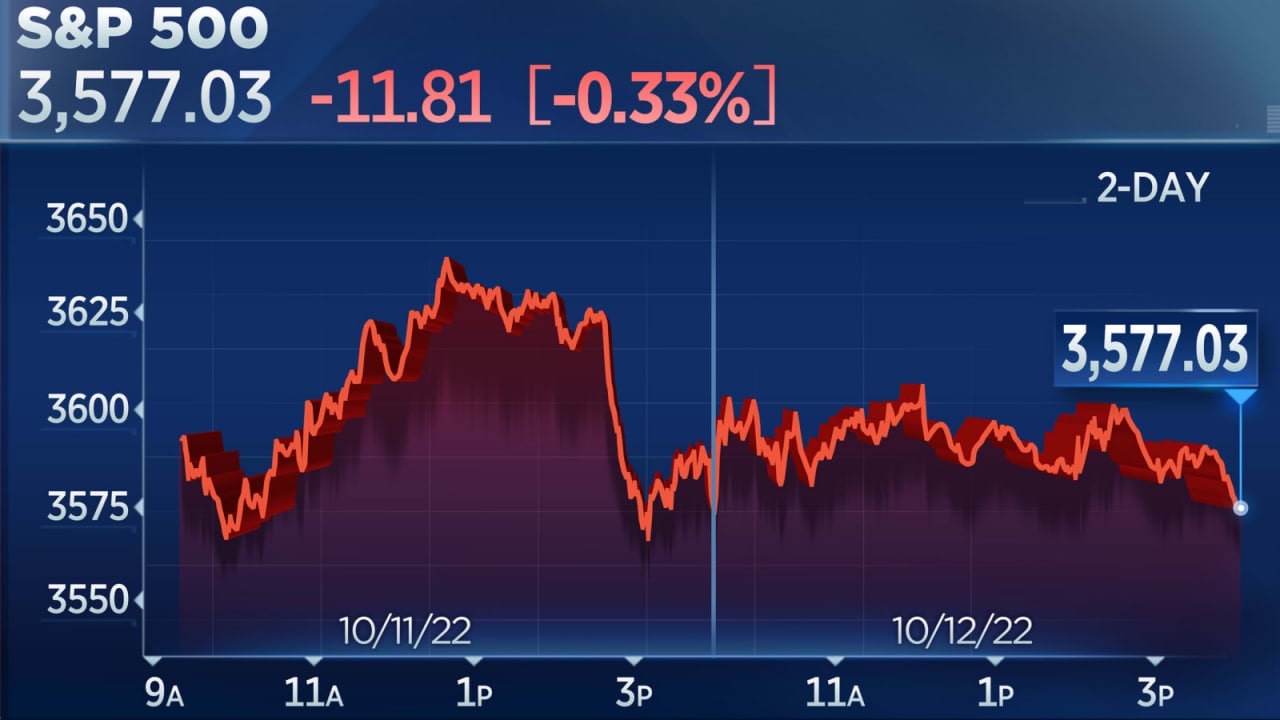
Correspondingly, stock futures rose. The S&P 500 futures contract rose 12.7 points, or 0.3%, while Nasdaq 100 futures and Dow Jones futures rose in tandem. Gold futures also surged, rising 1.4 percent to an eight-month high. Gold, a non-interest-bearing asset typically outperforms as bond yields fall.
The market did not seem concerned that the drop in CPI was largely due to gasoline, as gasoline prices fell sharply towards the end of the year. The energy subindex in the CPI basket fell 4.5% this month as oil prices fell 9.4%, masking further gains in housing and food prices.
Analysts said the data would not be enough to prevent the Fed from raising rates again at its next meeting, given continued strength in core prices.
"Energy prices are volatile, and the Fed cannot rely on this to be a consistent source of disinflation," Ryan Sweet, chief U.S. economist at Oxford Economics, said in a note to clients. Global crude oil prices have fallen since late last year. The bottoming out comes amid signs that demand in China will rebound sharply this year as the country reopens its economy.