A new bill has been introduced in the United States, aiming to compel cryptocurrency service providers to report all blockchain transactions to a government-sanctioned repository.
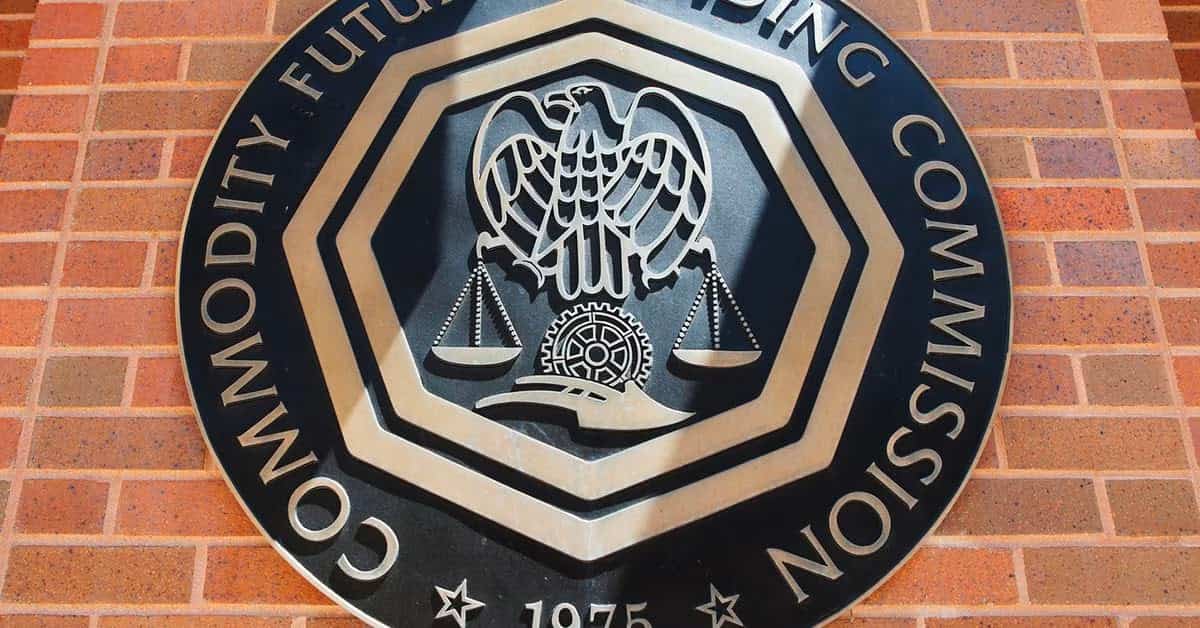
On September 28, U.S. Representative Don Beyer put forward the Off-Chain Digital Commodity Transaction Reporting Act. This legislation mandates that trading platforms must report every transaction to repositories registered with the Commodity Futures Trading Commission.
The primary objective of this new law is to safeguard cryptocurrency investors against potential disputes, manipulation, or fraud arising from off-chain transactions, which are transactions occurring outside the blockchain network. Unlike on-chain transactions that are immediately recorded on the blockchain, off-chain crypto transactions are processed through secondary layers, making them harder to track.
The bill acknowledges that with the proliferation of trading platforms and the drive to accelerate transaction times and reduce costs, a significant number of transactions take place "off-chain" and are not documented on the publicly visible blockchain.
The proposal notes that private entities handling these transactions often have varying internal recordkeeping practices, leaving investors and consumers susceptible to fraudulent activities. Beyer stated, "This bill is a common-sense measure designed to restore transparency and confidence in digital asset markets."
According to the bill's provisions, cryptocurrency service providers must report all off-chain transactions to a transaction repository registered with the Commodity Futures Trading Commission within 24 hours. These requirements are likened to rules governing "substantially all securities and swap transactions."
U.S. lawmakers have been actively engaged in cryptocurrency regulation discussions lately. In mid-September, nine U.S. senators expressed their support for Senator Elizabeth Warren's anti-money laundering bill related to digital assets. The bill, which was reintroduced in July 2023, seeks to crack down on non-custodial digital wallets and expand Bank Secrecy Act liability, among other legal measures, to combat the illicit use of digital currencies.