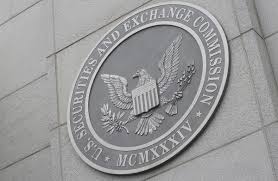
A U.S. lawmaker, Rep. Tim Burchett, has proposed an amendment that would reduce the annual salary of Securities and Exchange Commission (SEC) Chairman Gary Gensler to just $1. This move is part of a broader effort to defund the SEC outlined in the Financial Services and General Government (FSGG) bill, which was first introduced on July 13 of this year. Gensler's current salary as the head of the SEC is estimated to be more than $300,000, and Burchett's proposal aims to significantly reduce it.
The FSGG bill is comprehensive legislation that seeks substantial cuts in government spending across various agencies. It represents a broader effort to slash funding for many government entities, and Gensler's proposed salary reduction is just one part of this larger initiative. Rep. Steve Womack, who introduced the bill to the House Rules Committee on November 6, argued that the SEC, like other agencies, has become excessively regulatory and imposes an unwarranted financial burden on the government.
Womack suggested that defunding the SEC would help curb the "intrusiveness" of its regulations and force regulators to refocus on their core mission. He specifically highlighted the need to halt the SEC's rulemaking activities that lack appropriate cost-benefit analysis and overall impact assessment. While Womack recognized the importance of various government agencies' functions, he also emphasized that many of them have strayed from their responsibilities, leading to harm for the American people.
This is not the first time that Gensler and the SEC have faced criticism from U.S. politicians. On June 12, U.S. Representatives Warren Davidson and Tom Emmer introduced the SEC Stabilization Act, which aims to remove Gensler from his position as SEC Chairman. If passed, the bill would terminate Gensler and redistribute the agency's powers between the SEC Chairman and commissioners, adding an executive director position and a sixth commissioner to prevent any single party from having a majority.
Davidson and Emmer have been vocal critics of the SEC under Gensler, accusing him of being a "malicious regulator" who has disproportionately targeted the cryptocurrency community while ignoring more substantial issues in the space.