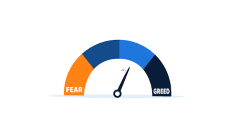
Brazil’s stock market closed significantly lower, with the Bovespa index falling 3.38% in São Paulo. Losses were led by declines in financials, basic materials, and consumer-related shares, reflecting broad weakness across sectors. Currency volatility and movements in commodities such as oil and gold also influenced investor sentiment.
What Drove the Bovespa Lower?
The benchmark Bovespa declined as selling pressure intensified across the market. On the B3 exchange, declining stocks outnumbered advancing ones by a wide margin.
Among the weakest performers:
- Companhia Brasileira de Distribuicao fell 15.87%
- CVC Brasil declined 6.28%
- Bradespar dropped 6.32%
Financial and consumer shares weighed heavily on the index, while volatility increased in local equity derivatives.
Which Stocks Outperformed?
Despite the broad downturn, a few companies posted gains:
- Raizen rose 6.15%
- Braskem gained 3.78%
- Vivara Participacoes advanced 0.91%
These gains were not enough to offset widespread declines across the broader stock market.
How Did Commodities and Currency Move?
In commodities trading:
- Gold futures for April delivery fell 3.34%
- Crude oil for April delivery rose 3.10% to $73.44 per barrel
- U.S. coffee futures edged lower
Currency markets showed pressure on the Brazilian real. The USD/BRL exchange rate climbed 1.78% to 5.26, while EUR/BRL rose 1.16% to 6.12. A weaker real can increase inflationary pressure and affect foreign investment flows.
Conclusion
The sharp drop in the Bovespa reflects broad-based selling across financial, materials, and consumer sectors. Commodity price movements, currency depreciation, and rising volatility contributed to the decline. As global markets adjust to shifting risk conditions, Brazil’s equity market remains sensitive to both domestic developments and external economic factors.