
$ 3.9300(0.00%)
NMS Price Chart
Nemesis DAO Market Information
$ 6,366.14
0.00%
0.00%
0.00%
1666
2,644.14
$ 1,812,429.28
461,177.93
Information
Issue Date-
Initial Offering Price--
Max Supply
0.00
Circulating Supply461,177.93
Listed Exchanges0
Incentive Mechanism
Encryption Algorithm--
Nemesis DAO Price History
| Time | Change | High | Low |
|---|---|---|---|
| 24H | 0.00% | -- | -- |
| 7D | 0.00% | -- | -- |
| 30D | 0.00% | -- | -- |
| All | 0.00% | -- | -- |
About Nemesis DAO
Nemesis DAO is a decentralized finance reserve currency protocol built on Binance Smart Chain (BSC). The protocol is powered by the NMS token, which is backed by a basket of assets like BUSD and Liquidity Pair Tokens. Nemesis DAO introduces unique dynamics into the Decentralized Finance (DeFi) market through bonding and staking.
Nemesis DAO aims to become a significant reserve currency on Binance Smart Chain (BSC), one which is truly owned and maintained by a decentralised protocol which serves the majority. Our goal is for NMS to be a common trading pair which is backed by real assets.
At a high level, Nemesis DAO consists of its protocol managed treasury and protocol owned liquidity with Staking and Bonding options. As the protocol controls the funds in its treasury, NMS can only be minted or burned by the protocol. This also guarantees that the protocol can always back 1 NMS with 1 BUSD. As the protocol accumulates more PCV, more runway is guaranteed for the stakers. This means the stakers can be confident that the current staking APY can be sustained for a longer term because more funds are available in the treasury.
Staking is the primary value accrual strategy of Nemesis DAO. Stakers stake their NMS tokens on our website to earn rebase rewards. The rebase rewards come from the proceed from minter sales, and can vary based on the number of NMS staked in the protocol and the reward rate set by monetary policy. Staking is a passive, long-term strategy. The increase in your stake of NMS translates into a constantly falling cost basis converging on zero.
Bonds allow users to mint NMS from the protocol at a discount by trading it with liquidity (LP tokens) or other assets. Bonding is a cross between a fixed income product, a futures contract, and an option. The protocol quotes the minter with terms for a trade at a future date. These terms include a predefined amount of NMS the minter will mint and the time when vesting is complete. Bonding is an active, short-term strategy. The price discovery mechanism of the secondary bond market renders bond discounts more or less unpredictable. Therefore bonding is considered a more active investment strategy that has to be monitored constantly in order to be more profitable as compared to staking.
Liquidity bonding help the protocol to accumulate and lock liquidity, while reserve bonding allows the protocol to grow its treasury, and thus its Backing per NMS faster.
Nemesis DAO News

Binance Hack Halts Withdrawals, Estimated Impact $6.3 Billion
Binance, the world's largest cryptocurrency exchange, halted withdrawals on October 29, 2026 after unauthorized transfers drained one of its wallets.
Martha Grizzard |
Coinbase Data Breach: Four Crypto and Finance Firms Hit
Coinbase, Bithumb, Daishin Securities and Mirae Asset Global Investments each confirmed unrelated breaches within the same day, with three of the four incidents reported in South Korea.
Cornell Rachel |

Solana Mainnet Launches Alpenglow to Cut Finality Time
Solana switched on its Alpenglow upgrade on October 21, 2026, replacing the way its validators agree that a transaction is final. Validators are the computers that run the network, and finality is the point where a transaction can no longer be reversed.
James Dean |
Learn
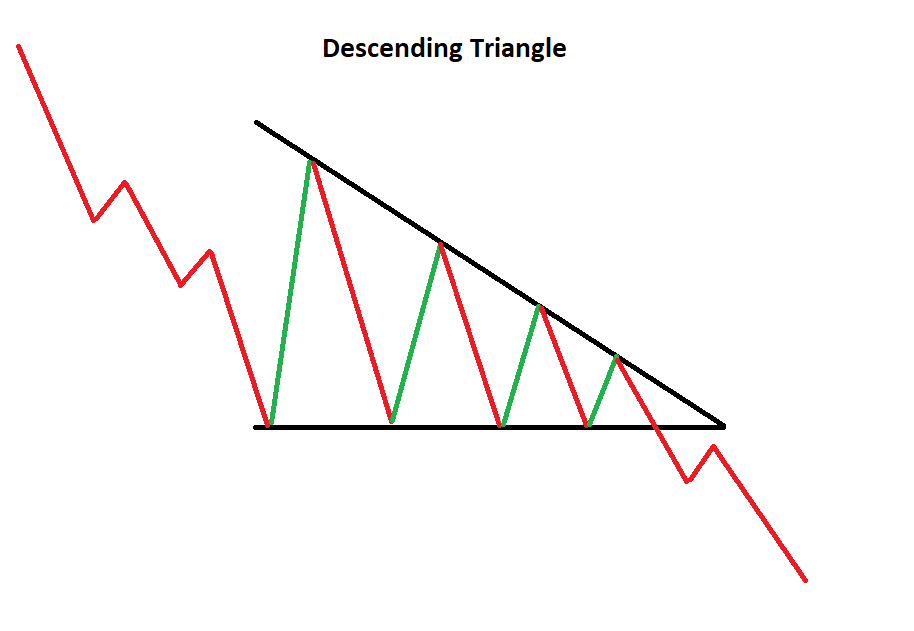
What is the Descending Triangle Pattern? What is the Ascending Triangle Pattern?
Ascending and descending triangles are the two most common right-angle chart patterns. Learn how to draw them correctly, confirm breakouts instead of guessing, project targets with the measured move, and control risk when the pattern fails.
James Dean |
What is Bitcoin Pizza Day? Who is Bitcoin Pizza Guy?
Bitcoin Pizza Day marks the first documented purchase of a physical item with bitcoin. Learn what happened on May 22, 2010, how much 10,000 BTC was worth then and later, and who the Bitcoin Pizza Guy really is.
Craig Green |
What is Polymarket? Can It Predict the Future of Crypto?
Polymarket is a decentralized prediction market on Polygon where users trade Yes/No shares on real-world events. Here is how it works, how accurate its prices are, its crypto limits, and its legal status.
Barry Stidham |