
$ 0.007417(0.00%)
PAAL Price Chart
PAAL AI Market Information
$ 0.8597
0.00%
0.00%
0.00%
782
18,244,589.10
$ 7,408,542.64
998,859,733.20
Information
Issue Date
Initial Offering Price--
Max Supply
1,000,000,000.00
Circulating Supply998,859,733.20
Listed Exchanges5
Incentive Mechanism
Encryption Algorithm--
PAAL AI Price History
| Time | Change | High | Low |
|---|---|---|---|
| 24H | 0.00% | -- | -- |
| 7D | 0.00% | -- | -- |
| 30D | 0.00% | -- | -- |
| All | 0.00% | -- | -- |
About PAAL AI
PAAL AI is an advanced ecosystem of chatbots based on artificial intelligence and ML technologies designed to simplify tasks that typically require human intelligence, such as natural language understanding, decision-making, and transactions. PAAL AI operates on the Ethereum blockchain with a total supply of 1 billion tokens, where all purchases and sales are subject to a 4% tax, which is used to pay ETH to stakers, marketing, buybacks and destruction, and development. Its revenue sources include future streams such as proprietary AI solutions, advertising, transaction taxes, and subscription services, with half of revenue shared with stakeholders, thereby promoting engagement and encouraging stability within the ecosystem.
PAAL AI News

Binance Hack Halts Withdrawals, Estimated Impact $6.3 Billion
Binance, the world's largest cryptocurrency exchange, halted withdrawals on October 29, 2026 after unauthorized transfers drained one of its wallets.
Martha Grizzard |

Coinbase Data Breach: Four Crypto and Finance Firms Hit
Coinbase, Bithumb, Daishin Securities and Mirae Asset Global Investments each confirmed unrelated breaches within the same day, with three of the four incidents reported in South Korea.
Cornell Rachel |

Solana Mainnet Launches Alpenglow to Cut Finality Time
Solana switched on its Alpenglow upgrade on October 21, 2026, replacing the way its validators agree that a transaction is final. Validators are the computers that run the network, and finality is the point where a transaction can no longer be reversed.
James Dean |
Learn

What is PAAL AI? How can users benefit from PAAL AI?
PAAL AI positions itself as an AI-powered chatbot ecosystem built on the Ethereum blockchain.
Hallie Gill |

PAAL AI: Unlocking the Power of AI for the Masses
In an era where artificial intelligence (AI) is rapidly transforming various aspects of our lives, PAAL AI stands out as a pioneering project aiming to democratize access to this powerful technology. By harnessing the collective intelligence of a decentralized network of users, PAAL AI is creating a platform that empowers individuals to leverage the benefits of AI for their own personal and professional endeavors.
Sherry Cantwell |
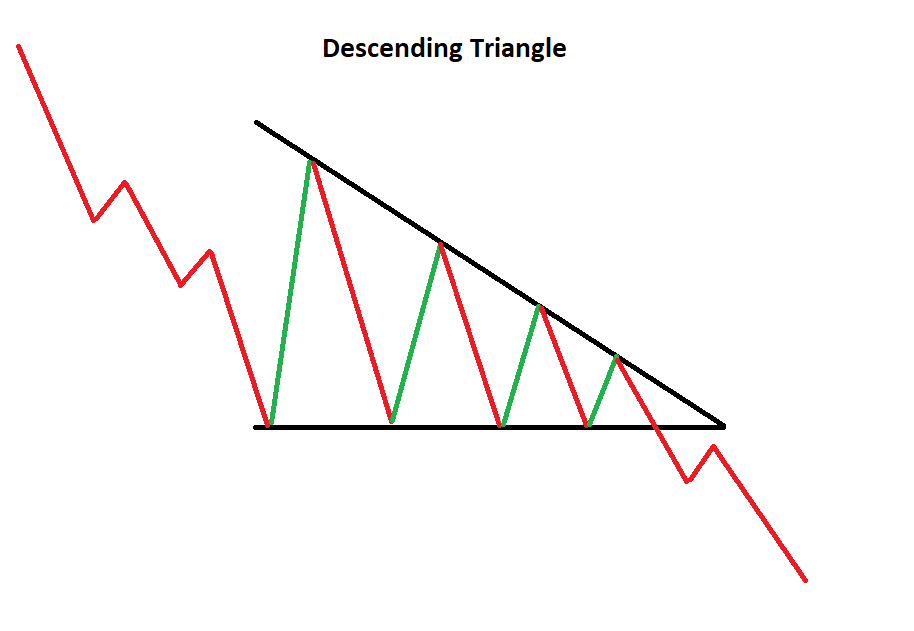
What is the Descending Triangle Pattern? What is the Ascending Triangle Pattern?
Ascending and descending triangles are the two most common right-angle chart patterns. Learn how to draw them correctly, confirm breakouts instead of guessing, project targets with the measured move, and control risk when the pattern fails.
James Dean |
Frequently Asked Questions
What Is The Current Price of PAAL AI?
Can I Buy PAAL AI on BitKan?
How Can I Stay Updated on PAAL AI's Latest Price and News?
Why Does The Price of PAAL AI Go UP and Down?
How Do I Store PAAL AI?