| Time | Change | High | Low |
|---|---|---|---|
| 24H | 0.00% | -- | -- |
| 7D | 0.00% | -- | -- |
| 30D | 0.00% | -- | -- |
| All | 0.00% | -- | -- |
SatoshiVM , a decentralized ZK Rollup Layer 2 solution for Bitcoin. SatoshiVM connects the EVM ecosystem to Bitcoin, enabling the Bitcoin ecosystem to issue assets and develop applications. SatoshiVM leverages Rollup technology to bundle multiple transactions into a batch and validate them as a single transaction on the Bitcoin main network. This ensures the same level of security as the Bitcoin main network, ensuring the validity and availability of data; at the same time, using technologies such as Taproot and Bitcoin Script, the contract is verified on-chain without changing the consensus rules of the Bitcoin network. , thereby completing the calculation of the fraud proof.

Binance, the world's largest cryptocurrency exchange, halted withdrawals on October 29, 2026 after unauthorized transfers drained one of its wallets.

Coinbase, Bithumb, Daishin Securities and Mirae Asset Global Investments each confirmed unrelated breaches within the same day, with three of the four incidents reported in South Korea.

Solana switched on its Alpenglow upgrade on October 21, 2026, replacing the way its validators agree that a transaction is final. Validators are the computers that run the network, and finality is the point where a transaction can no longer be reversed.
SatoshiVM is a decentralized Layer 2 scaling solution built on top of Bitcoin leveraging zk-Rollups.
SatoshiVM, named in homage to Satoshi Nakamoto, the mysterious creator of Bitcoin, is a virtual machine designed to execute smart contracts and decentralized applications (DApps) on blockchain networks.
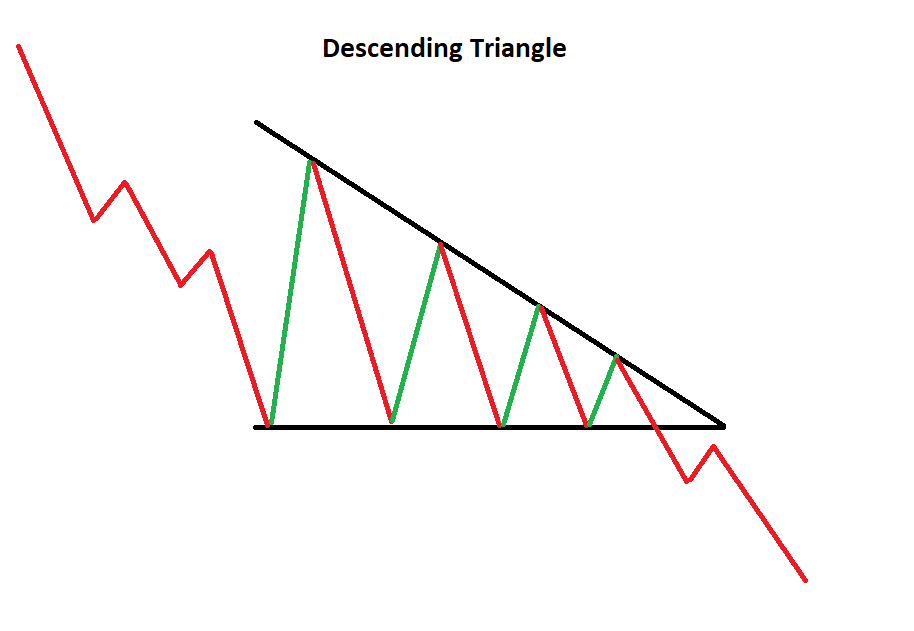
Ascending and descending triangles are the two most common right-angle chart patterns. Learn how to draw them correctly, confirm breakouts instead of guessing, project targets with the measured move, and control risk when the pattern fails.