Bitcoin mining plays a crucial role in securing the Bitcoin network. But this process isn't static - the difficulty of mining new Bitcoins is constantly adjusted. So, what exactly is Bitcoin mining difficulty, and why is it important for the health of the Bitcoin network?
What is Bitcoin Mining Difficulty?
Bitcoin mining difficulty refers to the ever-changing mathematical complexity of solving the cryptographic puzzles miners need to solve to validate transactions and add new blocks to the Bitcoin blockchain. This difficulty adjustment mechanism ensures that new blocks are created at a consistent rate, roughly every 10 minutes, regardless of the ever-increasing computing power dedicated to mining.
How Does Bitcoin Mining Difficulty Work?
The Bitcoin network automatically adjusts mining difficulty roughly every two weeks (2.016 blocks). Here's a simplified breakdown:
Block Time: The network monitors the average time it takes to mine a new block.
Adjustment: If the block time consistently falls below 10 minutes (indicating more miners are joining the network), the difficulty increases. Conversely, if the block time consistently exceeds 10 minutes (fewer miners), the difficulty decreases.
Maintaining Target Block Time: By automatically adjusting difficulty, the network strives to maintain the target block time of 10 minutes, ensuring a predictable and secure transaction processing rate.
Why Does Bitcoin Mining Difficulty Matter?
Bitcoin mining difficulty is essential for several reasons:
Network Security: Increased difficulty makes it computationally expensive and time-consuming to mine Bitcoins. This discourages malicious actors from attempting to manipulate the network through a 51% attack, where they control a majority of hashing power.
Decentralization: The difficulty adjustment mechanism helps prevent mining centralization. As difficulty rises, less powerful miners may be discouraged. However, the automatic adjustments ensure that mining remains accessible to individual miners with moderate computing resources.
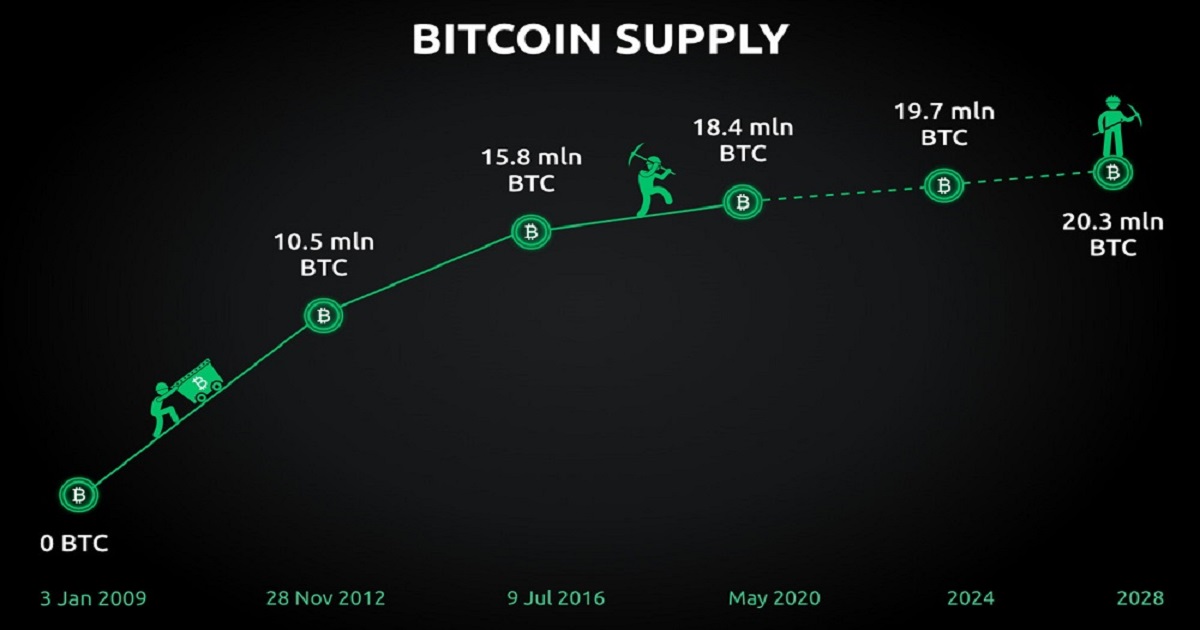
Predictable Supply: By regulating the rate at which new Bitcoins are created, mining difficulty plays a vital role in maintaining Bitcoin's finite supply of 21 million coins.
The Future of Bitcoin Mining Difficulty
As Bitcoin mining evolves, here are some factors to consider:
Impact of Green Energy: With growing concerns about the environmental impact of Bitcoin mining, there's a push for more sustainable mining practices using renewable energy sources. This could potentially affect mining difficulty in the future.
Rise of ASICs: Application-specific integrated circuits (ASICs) are specialized hardware designed for efficient Bitcoin mining. The continued development of even more powerful ASICs could necessitate further difficulty adjustments.
Alternative Mining Methods: The emergence of alternative mining methods, such as merged mining, could influence the overall mining landscape and potentially impact difficulty adjustments.
Conclusion
Bitcoin mining difficulty is a dynamic mechanism that ensures the security, decentralization, and predictable supply of Bitcoin. As the mining ecosystem continues to evolve, how this difficulty adjusts will be a key factor in the future stability and growth of the Bitcoin network.
Bitcoin Mining Difficulty: What is it and Why Does it Matter? - I hope this article was informative.