In this article, you will learn how to cash in Bitcoin Cash (BCH). Cashing in Bitcoin Cash (BCH) usually involves selling your BCH for fiat currency, such as US dollars, and then transferring that currency to your bank account or other payment method.
How to Cash in Bitcoin Cash (BCH)?
Here are the general steps for cashing in Bitcoin Cash:
Choose a cryptocurrency exchange: There are many exchanges that allow you to buy and sell Bitcoin Cash for fiat currency, such as Coinbase, Binance, BitKan, and Bitstamp. Choose an exchange that is available in your country and has a good reputation.
Create an account: Sign up for an account on the exchange and complete any required identity verification.
Deposit your Bitcoin Cash: Send your Bitcoin Cash to your exchange account wallet. You will need to provide the wallet address and follow any instructions provided by the exchange.
Sell your Bitcoin Cash: Once your Bitcoin Cash is in your exchange account, you can sell it for fiat currency. Choose the amount of Bitcoin Cash you want to sell and the currency you want to receive (eg, USD). Confirm the sale and wait for the transaction to complete.
Withdraw your fiat currency: Once the sale is complete, you can withdraw your fiat currency to your bank account or other payment method. Follow the instructions provided by the exchange to complete the withdrawal.
Bitkan is a cryptocurrency wallet and trading platform that allows users to buy and sell bitcoin and other cryptocurrencies. Therefore, you can sell bitcoin in Bitkan.
What is Bitcoin Cash (BCH)?
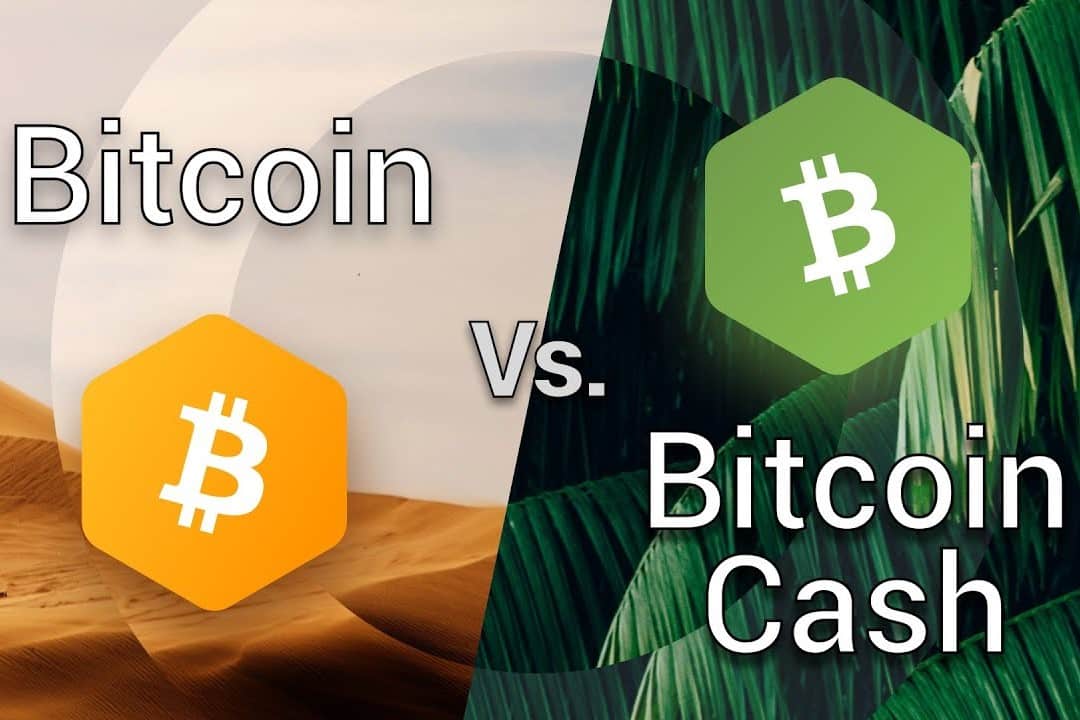
Bitcoin Cash (BCH) is a cryptocurrency that was created in 2017 as a fork of the original Bitcoin (BTC) network. The fork occurred due to a disagreement among Bitcoin developers regarding the scalability of the network and the size of blocks in the blockchain.
Bitcoin Cash aims to address the scalability issue by increasing the block size from 1MB to 8MB, allowing for more transactions to be processed per block. This increased capacity is meant to make Bitcoin Cash faster and cheaper to use for transactions than Bitcoin.
Like Bitcoin, Bitcoin Cash operates on a decentralized, peer-to-peer network and uses cryptography to secure transactions and control the creation of new units. It also shares many of the same properties as Bitcoin, such as being finite in supply with a total cap of 21 million units.
While Bitcoin Cash has faced criticism and controversy since its creation, it remains one of the most popular and widely used cryptocurrencies, with a market capitalization that fluctuates based on market demand and supply.
Bottom Line
It's important to note that the process of cashing in Bitcoin Cash may vary slightly depending on the exchange you use and the country you are in. Additionally, you may incur fees for depositing, selling, and withdrawing your funds. This article is about how to cash in Bitcoin Cash (BCH).