In the dynamic world of finance, where markets fluctuate and strategies evolve, understanding the nuances of financial instruments is crucial for informed investment decisions. Among these instruments, repurchase agreements (repos) and their counterpart, reverse repurchase agreements (reverse repos), play a significant role in shaping the financial landscape.
Let’s take a closer look at this article for a better understanding.
A reverse repurchase agreement (RRP) is a short-term financial transaction involving the sale of securities with an agreement to repurchase them at a slightly higher price at a predetermined future date. In essence, it's a temporary loan secured by collateralized assets. The difference between the initial sale price and the repurchase price represents the interest earned on the loan.
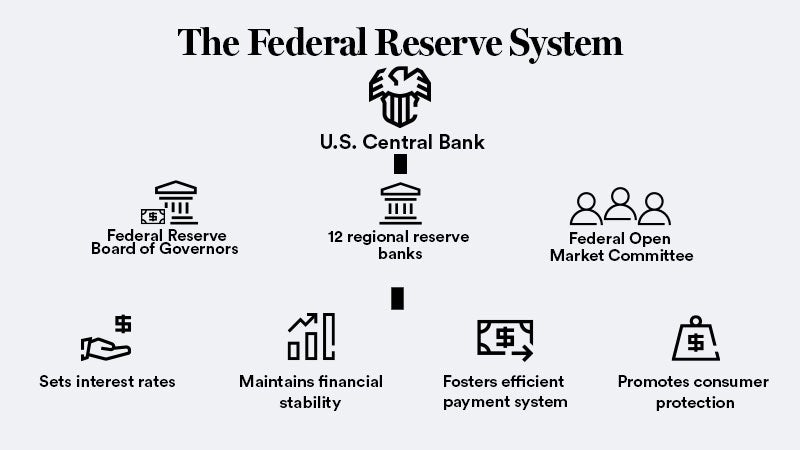
The mechanism of a reverse repo involves two parties: the seller and the buyer. The seller, typically a money market fund or other financial institution, sells securities to the buyer, usually the Federal Reserve or another large institution, with the commitment to repurchase them at a specified time and price. The buyer pays the seller the agreed-upon price for the securities, effectively providing a short-term loan to the seller.
Purposes and Applications of Reverse Repos
Reverse repos serve several purposes in the financial system:
Managing Liquidity: Reverse repos are a key tool used by the Federal Reserve to manage the supply of money in the economy. By conducting reverse repo operations, the Fed can absorb excess reserves from banks, thereby draining liquidity and influencing short-term interest rates.
Providing Short-Term Funding: Reverse repos offer a convenient and secure way for financial institutions to obtain short-term funding. The collateralized nature of the transaction reduces risk and ensures the return of the loaned assets.
Earning Interest: For the buyer of a reverse repo, the transaction represents an opportunity to earn interest on their excess reserves. The interest rate earned is typically determined by the prevailing market conditions.
Impact of Reverse Repos on Investments and Cryptocurrency
Reverse repos can indirectly influence investment and cryptocurrency markets in several ways:
Interest Rate Influence: By affecting short-term interest rates, reverse repo operations can influence the overall cost of borrowing and lending, potentially impacting investment decisions and cryptocurrency valuations.
Liquidity Management: Reverse repos can impact liquidity in the financial system, which can in turn affect the performance of various asset classes, including cryptocurrencies.
Safe Haven Asset: Reverse repos, particularly those conducted by the Federal Reserve, are often considered safe-haven assets, attracting investors during periods of market uncertainty. This can influence the demand for and price of cryptocurrencies.
Conclusion
Reverse repurchase agreements are essential components of the financial system, playing a critical role in liquidity management, interest rate control, and short-term funding. Understanding their mechanisms and implications is crucial for investors and cryptocurrency enthusiasts seeking to navigate the dynamic financial landscape. As market conditions evolve and regulatory frameworks adapt, the role of reverse repos is likely to continue to shape the investment landscape and influence the growth of the cryptocurrency market.
What are Reverse Repos? How do Reverse Repos Work? - I hope this article was informative.