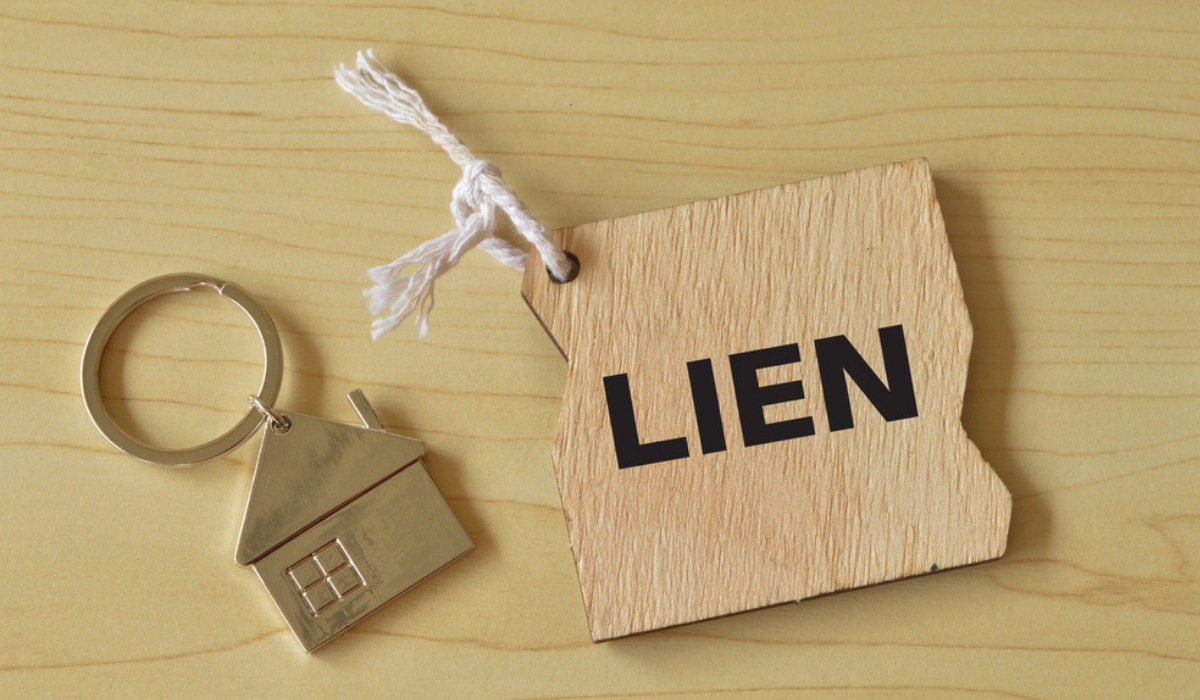
Purchasing a house, car, or other valuable asset feels like acquiring something wholly yours. Yet, invisible strings might be attached, subtly impacting your ownership. These strings are called liens, legal claims on your property that grant creditors certain rights if you fail to meet specific obligations. But what exactly is a lien on property, and how can it affect you?
What is a Lien on Property?
Imagine owing money to a contractor who renovated your kitchen. If you don't settle the debt, they could place a mechanic's lien on your house. This means they have a legal claim to your property, granting them the right to force its sale to recover the unpaid amount. Essentially, a lien is a financial tether binding your property to an unresolved debt.
Who Can Place a Lien on My Property?
The list of potential lienholders is surprisingly diverse. Here are some common examples:
Mortgage lenders: They hold the ultimate lien on your property until your mortgage is paid off.
Tax authorities: Unpaid taxes can lead to government liens, potentially jeopardizing your ownership.
Home improvement contractors: As mentioned earlier, unpaid renovation costs can give rise to mechanic's liens.
Judgment creditors: If you lose a lawsuit and owe a significant sum, the court may place a judgment lien on your property.
What Happens if I Have a Lien on My Property?
The presence of a lien doesn't automatically translate to losing your property. It's primarily a warning sign, indicating a financial obligation hanging over your head. However, consequences can escalate if left unaddressed:
Limited marketability: Your property becomes less attractive to potential buyers, as they inherit the existing liens and associated debt.
Sale restrictions: In some cases, liens prevent you from selling your property until the debt is settled.
Foreclosure risk: If you default on the underlying debt, the lienholder can initiate foreclosure proceedings, ultimately leading to the forced sale of your property to satisfy the debt.
How Can I Get Rid of a Lien on My Property?
Fortunately, you have options:
Pay off the debt: This is the most straightforward solution, eliminating the lien and its associated risks.
Work out a payment plan: Negotiations with the lienholder might lead to a more manageable repayment schedule.
Challenge the lien: If you believe the lien is invalid or improperly filed, you can contest it in court.
Navigating liens can be complex, and seeking legal advice is crucial. An attorney can help you understand your rights, advise on the best course of action, and ensure the lien removal process unfolds smoothly.
Final Thoughts: Owning Your Property Responsibly
While owning property represents a significant achievement, it comes with responsibilities. Understanding the concept of liens and their potential implications is vital for safeguarding your assets and ensuring your ownership remains truly yours. By proactively managing debt and maintaining financial obligations, you can keep your property free of liens and enjoy the full benefits of your hard-earned purchase.
Remember, knowledge is power, and armed with it, you can confidently navigate the ownership journey, ensuring your property remains a secure and enriching part of your life.
What is a Lien on Property? Who Can Place a Lien on My Property? - I hope this article was informative.