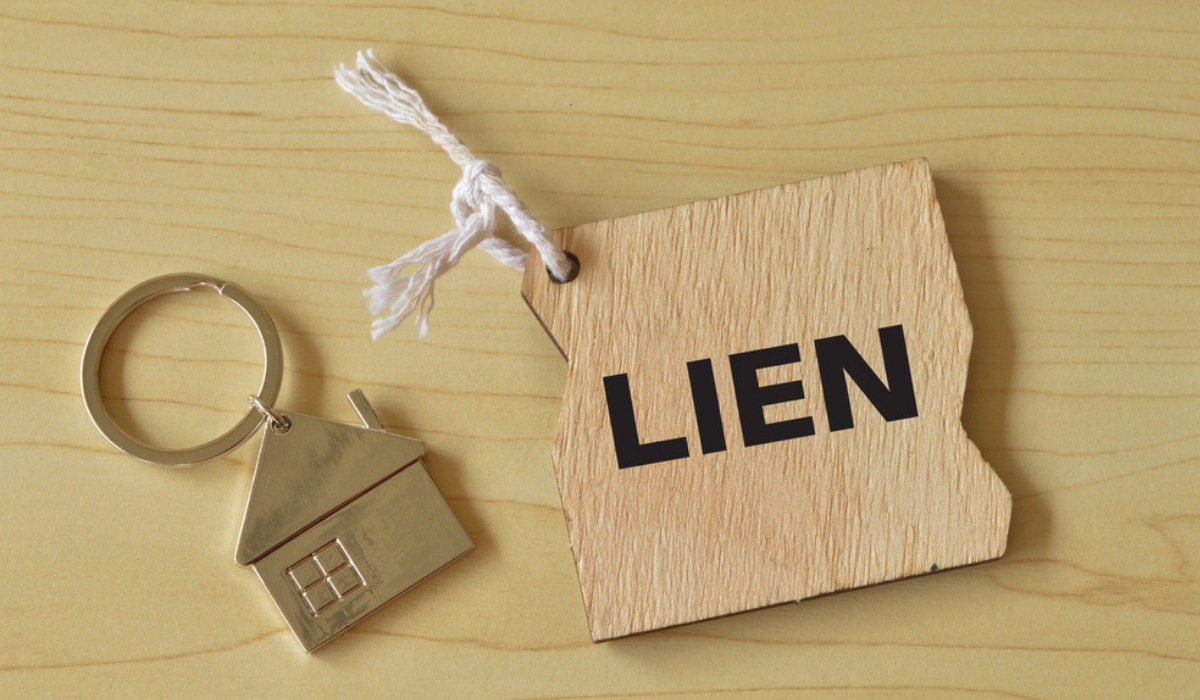
A property lien is a legal claim on assets that allows the holder to obtain access to property if debts are not paid. Understanding property liens is crucial for both property owners and potential buyers, as they can significantly impact property ownership and transactions. This article explores what a property lien is and how it affects property ownership.
What Is a Property Lien?
A property lien is a legal right or interest that a creditor has in a debtor's property, granted to ensure the payment of a debt or obligation. It acts as a security for the creditor, allowing them to seize or force the sale of the property if the debt is not repaid. Property liens can be voluntary or involuntary and are filed with a county or state authority to make them public record.
How Do Property Liens Work?
Property liens work by legally binding the property to the debt owed. Here's how the process typically unfolds:
1. Debt Obligation: The property owner incurs a debt obligation, such as a mortgage, tax bill, or contractor service fee.
2. Lien Placement: If the debt is not paid, the creditor can place a lien on the property. This is done through legal means and involves filing the necessary documents with local authorities.
3. Public Record: The lien becomes part of the public record, alerting potential buyers and other interested parties that the property has a lien against it.
4. Debt Resolution: The property owner must resolve the debt to remove the lien. This usually involves paying the owed amount in full or negotiating a settlement with the creditor.
5. Property Sale: If the lien is not resolved, the creditor may force the sale of the property to recover the debt. In some cases, the lien must be satisfied before the property can be sold.
What Types of Property Liens Exist?
Property lies come in various forms, each serving different purposes:
1. Mortgage Liens: A voluntary lien where the property owner uses the property as collateral for a loan. If the loan is not repaid, the lender can foreclose on the property.
2. Tax Liens: An involuntary lien placed by the government when property taxes or other taxes are not paid. The government can seize and sell the property to recover unpaid taxes.
3. Mechanic's Liens: An involuntary lien placed by contractors or suppliers who have performed work or provided materials for property improvements but have not been paid.
4. Judgment Liens: An involuntary lien resulting from a court judgment against the property owner, typically for unpaid debts from lawsuits.
How Does a Property Lien Affect Ownership and Transactions?
Property liens can significantly impact ownership and transactions in several ways:
1. Title Issues: A property lien can create a "cloud" on the title, making it difficult to sell or refinance the property. Buyers are often unwilling to purchase a property with an existing lien.
2. Credit Impact: Liens can negatively affect the property owner's credit score, making it more challenging to obtain loans or favorable interest rates in the future.
3. Forced Sale: If the lien is not resolved, the creditor can force the sale of the property to recover the debt, potentially resulting in the property owner losing their home or investment.
4. Negotiation Leverage: Liens can be used as leverage in debt negotiations. Creditors may be willing to settle for a reduced amount to clear the lien and avoid the lengthy process of forcing a sale.
How Can Property Owners Protect Themselves from Liens?
To protect themselves from property liens, owners can take several proactive steps:
1. Pay Debts on Time: Timely payment of mortgages, taxes, and contractor fees can prevent liens from being placed.
2. Regularly Check Property Records: Property owners should periodically check public records for any liens that may have been placed without their knowledge.
3. Dispute Incorrect Liens: If a lien is incorrectly placed, property owners should dispute it through legal channels to have it removed.
4. Title Insurance: When purchasing property, obtaining title insurance can protect buyers from any undisclosed liens that may surface after the purchase.
Conclusion
A property lien is a significant legal claim that can impact property ownership and transactions. Understanding what a property lien is and how it works is essential for property owners and buyers. By staying informed and taking proactive steps to manage debts and check records, individuals can protect themselves from the potentially severe consequences of property liens.
What Is a Property Lien? How Does It Affect Property Ownership? - I hope this article was informative.