Each month, the BEA releases data on the total amount of consumer spending overall called Core PCE Inflation Rate. We will talk about PCE deep down here.
What Is Core PCE Vs CPI Inflation?
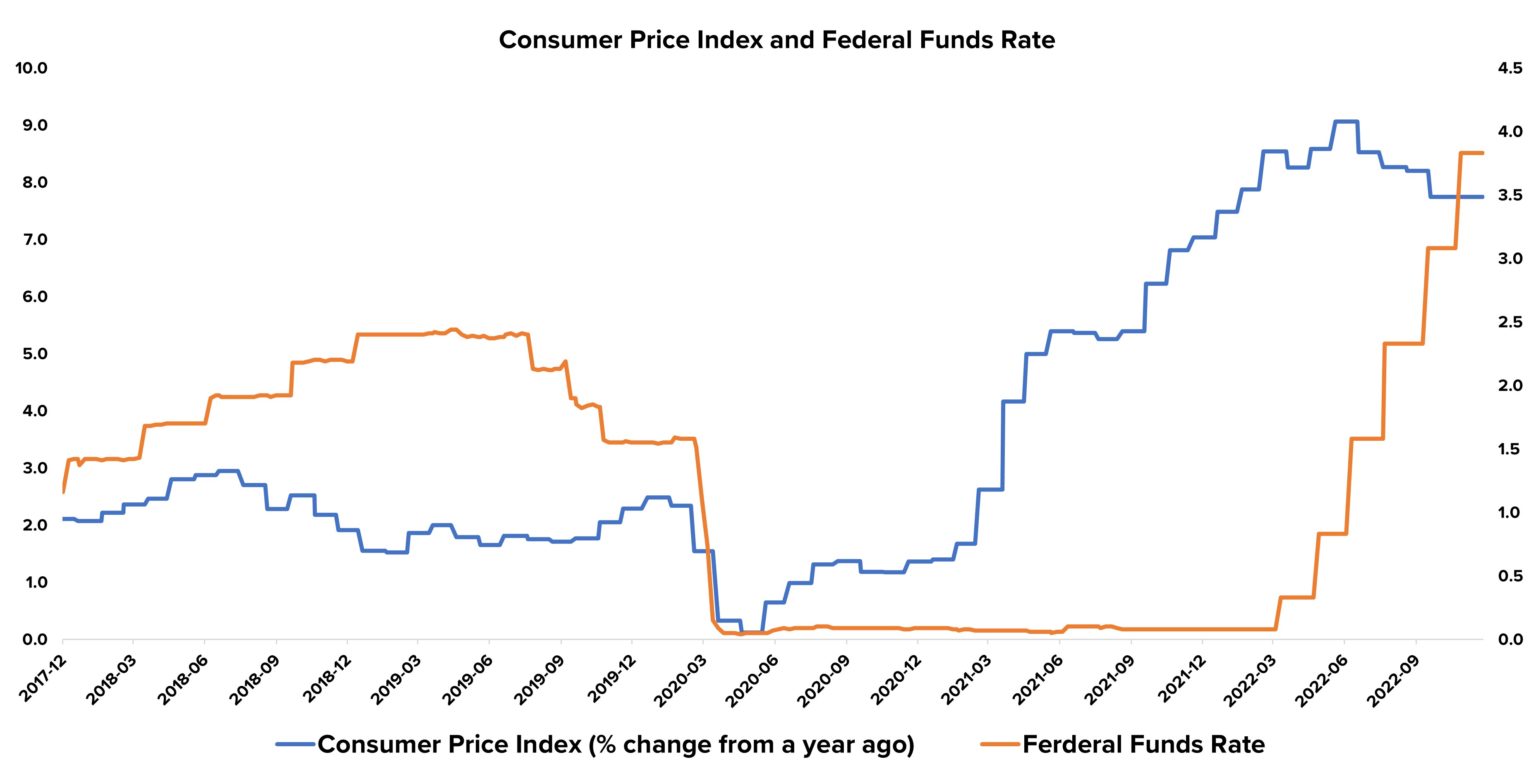
The Difference BetWeen The CPI and PCE Deflator's Estimates of US Inflation is Normally Small, but it recently widened to its girl. THAT The CPI GIVES to Categories that Are Now Experiencing Higher Inflation Levels, Such As Housing Expenses, is the primary cause of the difference. The Federal Reserve's capacity to declare that inflation has turned will be hammered by the lack of consistency in inflation indicators, especially to this extent.
Because they have a cascading influence on other differences, including relative weighting, variations in scope have the greatest overall impact on the disparities between PCE and CPI. Consumer spending is defined more narrowly in the CPI, which only takes into account urban consumer spending that is made directly by consumers. PCE, on the other hand, takes into account both consumer expenses made by urban and rural consumers as well as those made on their behalf by other parties. Healthcare insurance companies, which buy prescription medications on behalf of their c clients, are one illustration of this.
Because third-party expenses are included in PCE, healthcare-related expenses account for the majority of the variance between PCE and CPI emanating from this group. Party-specific spending data is not made available by the BEA, but the weights' difference indicates that PCE spending is significantly higher. The PCE index weight for healthcare services during the same time period was more than twice that amount (16.8%), whereas the CPI weight for healthcare services is presently 7% (based on 2019-2020 data).
How Is Core PCE Inflation Rate Calculated?
BEA tracks consumer spending for the entire country, as well as for each state and the District of Columbia separately. In addition to the aforementioned monthly report, more information is provided annually.
According to the BEA, household purchases of brand-new products and services from private companies account for the majority of PCE (measured by market prices, including sales tax). It also covers household expenditures on brand-new products and services obtained from the government .
Additionally, PCE includes home purchases of used products, spending by nonprofit organizations to offer services to families, and purchases made by Americans abroad.
PCE also includes expenses made on behalf of households by other parties, such as life insurance costs, pension plan costs, employer-sponsored health insurance, and medical expenses paid for by government programs.
Summary
The Core PCE Inflation Rate reveals how much money Americans as a whole spend. It can be followed from month to month to get a sense of how the economy is doing overall.