In this article, you will learn what is the meaning of PPI. In the US, the PPI was known as the Wholesale Price Index, or WPI, up to 1978. The PPI is one of the oldest continuous systems of statistical data published by the Bureau of Labor Statistics, as well as one of the oldest economic time series compiled by the Federal Government.
What is the Meaning of PPI?
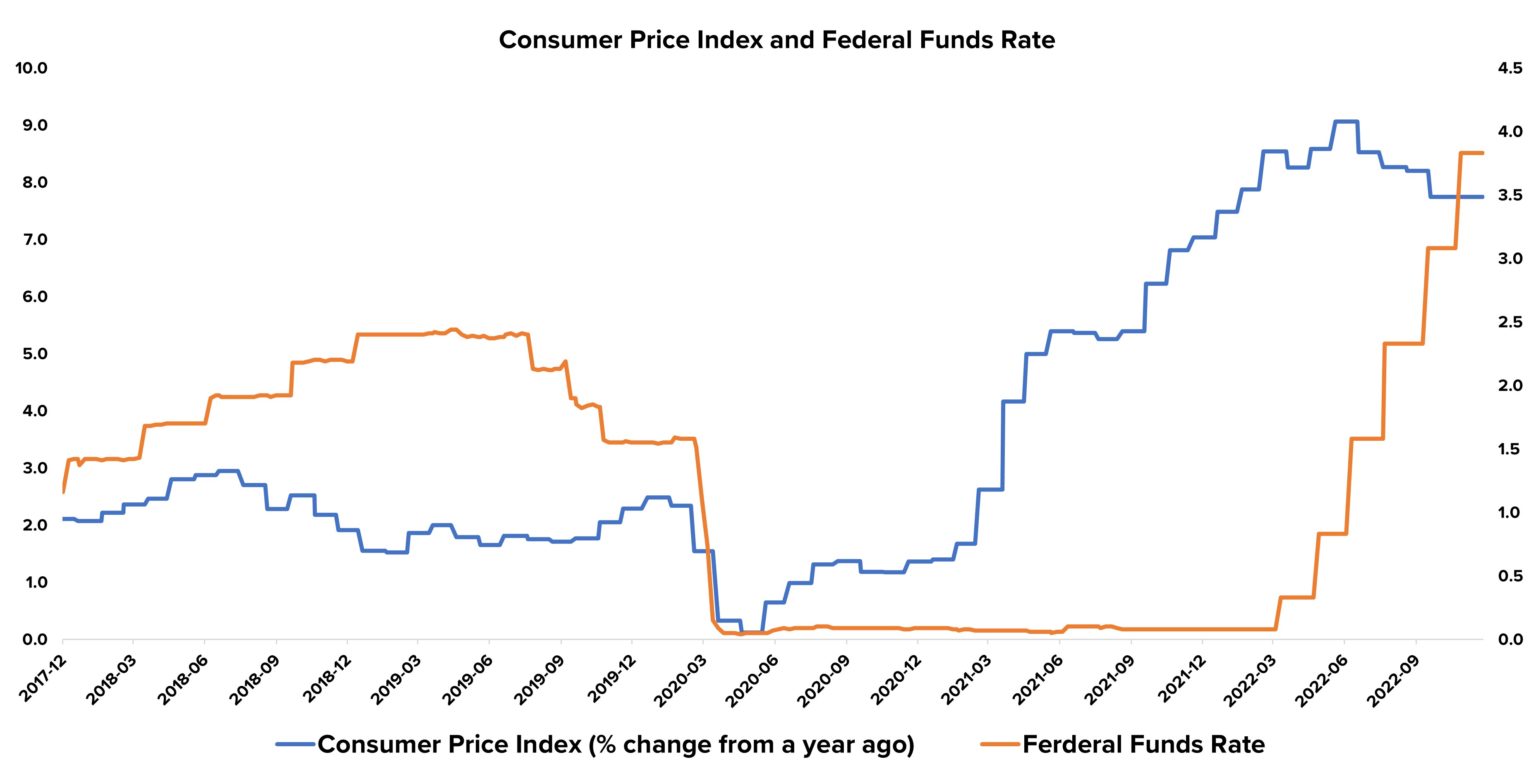
PPI refers to the Producer Price Index (PPI). The Producer Price Index (PPI) measures the average change over time in the prices domestic producers receive for their output. It is a measure of inflation at the wholesale level that is compiled from thousands of indexes measuring producer prices by industry and product category. The index is published monthly by the US Bureau of Labor Statistics (BLS). The PPI is different from the consumer price index (CPI), which measures the changes in the price of goods and services paid by consumers.
The PPI measures inflation (or, much less commonly, deflation) from the perspective of the product manufacturer or service supplier. The price trends for producers and consumers are unlikely to diverge for long since producer prices heavily influence those charged to consumers. term, inflation at the wholesale and retail levels may differ as a result of distribution costs, as well as government taxes and subsidies.
The BLS releases the PPI along with its constituent industry and product indexes during the second week of the month following the reference date of the survey. It is based on approximately 100.000 monthly price quotes reported voluntarily online by more than produsher system amplified.
How PPI Numbers Are Presented?
The BLS produces more than 10.000 product and industry price indexes each month, which it then uses to calculate the PPI. They're published with and without seasonal adjustments and are divided into three categories: industry-level classification, commodity classification mand, and first -intermediate demand.
-Industry-Level Classification
The PPI includes indexes for producer prices received in each of more than 500 industry categories based on output sold outside the industry. The categories are compatible with those used in other releases to report industry-level data on production, employment, earnings, and productivity.
- Commodity Classification
Commodity classification disregards the producer's industry to group output based on the nature of the product or service. The PPI report publishes more than 3.800 commodity price indexes for goods and some 900 for services.
- Final Demand-Intermediate Demand (FD-ID)
The first demand-intermediate demand (FD-ID) indexes use the commodity indexes organized by product to measure producer prices based on the economic identity of the buyers and whether the goods sold require further processing.
The PPI report publishes more than 600 FD-ID indexes. The final demand indexes, as distinct from the intermediate demand ones, are then used to arrive at the headline PPI number, which reflects the PPI for final demand.
Bottom Line
The Producer Price Index (PPI) looks at inflation from the viewpoint of industry and business. This method measures price changes before consumers purchase final goods and services. This article is about what is the meaning of PPI.