ETHGas is a new Ethereum infrastructure project that turns blockspace into a tradable financial product. For those asking what is ETHGas, the short answer is that it allows users and developers to buy and sell Ethereum transaction capacity in advance, rather than bidding blindly at the moment a block is produced.
Why does Ethereum need gas futures?
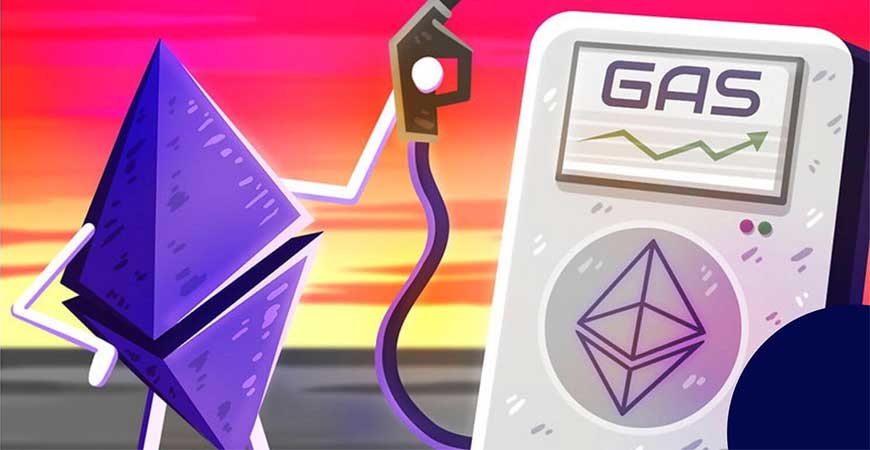
Ethereum gas prices are volatile because blockspace is scarce and auctioned in real time. This unpredictability makes it hard for applications, enterprises, and high-frequency users to plan costs. ETHGas introduces a futures market that lets participants lock in gas prices ahead of time.
How does the ETHGas blockspace market work?
ETHGas allows validators to sell their future blockspace through a marketplace. Buyers can purchase guaranteed transaction inclusion for a specific time or block. This creates predictable pricing and allows hedging, similar to how commodities like oil or electricity are traded.
What are pre-confirmations and Real-Time Ethereum?
ETHGas introduces pre-confirmations that guarantee transaction inclusion before a block is finalized. This enables near-instant settlement, with confirmation times measured in milliseconds rather than seconds. For certain applications, this could make Ethereum feel closer to traditional real-time systems.
How does ETHGas benefit validators?
Instead of relying only on variable fees and MEV, validators can earn predictable income by selling blockspace ahead of time. This smooths revenue and reduces uncertainty, especially during periods of low on-chain activity.
Who is backing ETHGas?
In December 2025, ETHGas raised 12 million dollars in seed funding led by Polychain Capital. The project also launched with roughly 800 million dollars in blockspace commitments from major validators and builders, ensuring liquidity from day one.
Conclusion
What is ETHGas aiming to change? It reframes Ethereum blockspace as an economic asset rather than a chaotic auction. If widely adopted, ETHGas could make gas fees predictable, invisible to end users, and more suitable for enterprise-scale applications.