The Producer Price Index (PPI) measures the average change in selling prices received by domestic producers for their output. This economic indicator helps track inflation at the wholesale level and provides insight into market trends and economic health.
How Does the PPI Measure Price Changes?
The PPI collects data on the prices producers receive for their goods and services, tracking changes over time. It covers various industries, including manufacturing, mining, and agriculture, and reflects the average movement in prices.
Why Is the PPI a Crucial Economic Indicator?
The PPI is important because it gives insight into the production side of the economy, providing early signals about inflation. When producer prices rise, this may eventually lead to higher consumer prices, impacting everything from groceries to housing.
How Does the PPI Differ from the Consumer Price Index (CPI)?
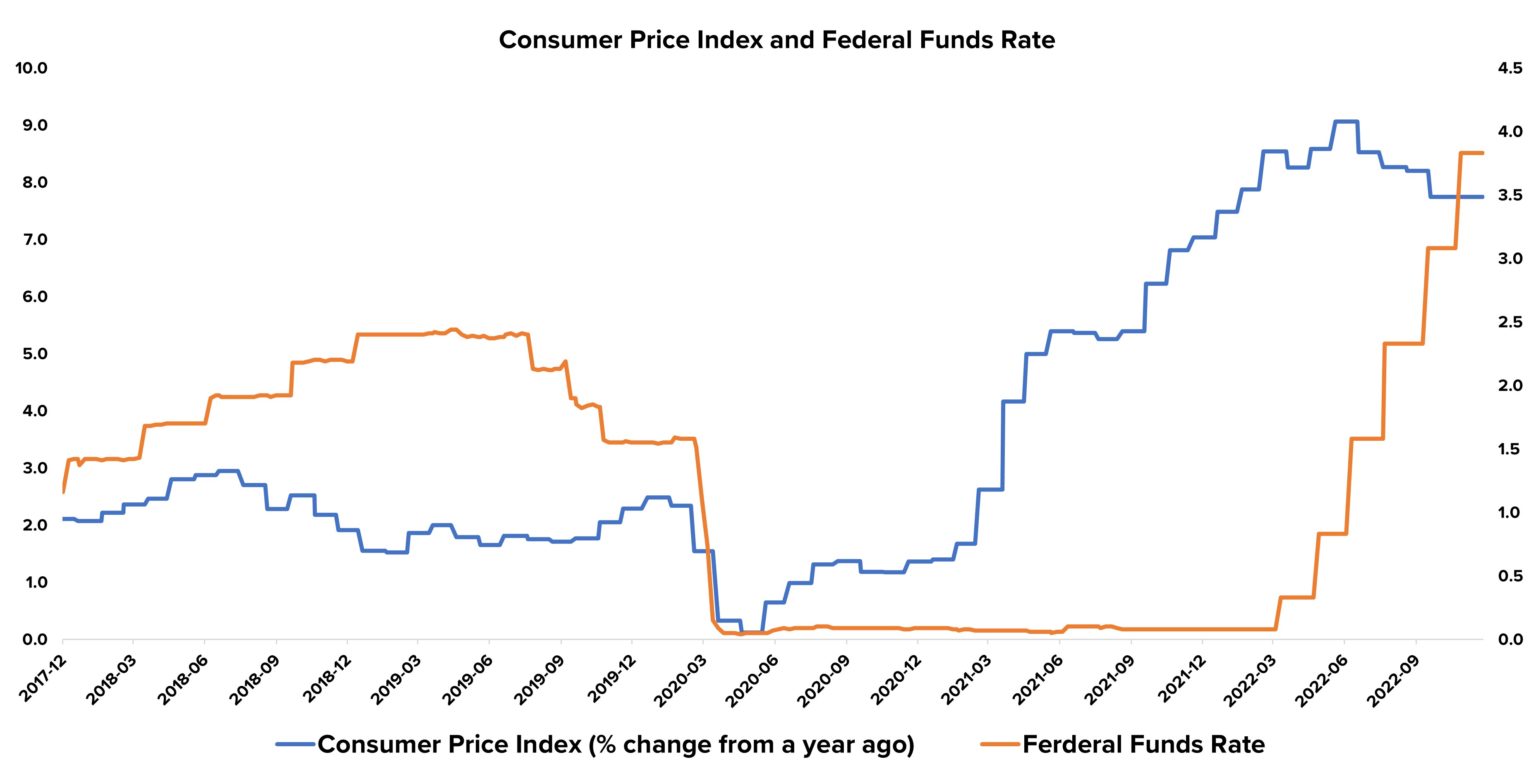
While the CPI measures the prices consumers pay for goods and services, the PPI focuses on the prices producers receive. Both indices are vital, but the PPI offers an earlier view of inflation trends that could impact consumers later.
Conclusion
The Producer Price Index is a vital tool for understanding price changes in the economy. It provides valuable insights into inflation trends that help economists and businesses make informed decisions.
What Is PPI? Why Is The Producer Price Index Important for the Economy? - I hope this article was informative.