This article is about what was the price of Bitcoin in 2009. Bitcoin is the first and most popular cryptocurrency, launched in 2009 by an anonymous person or group known as Satoshi Nakamoto. Bitcoin is based on a decentralized network of computers that validate transactions using cryptography and record them on a public ledger called the blockchain.
What was the Price of Bitcoin in 2009?
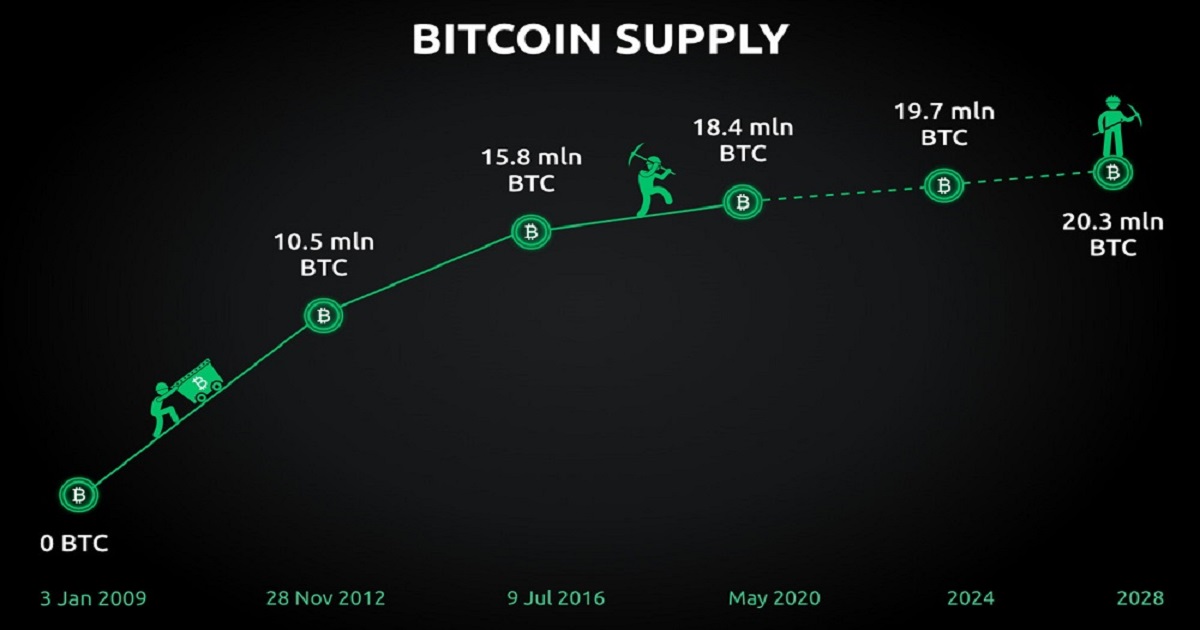
Bitcoin's scarcity is defined by its maximum supply of 21 million coins, contributing to its significant value.
In October 2009. a pivotal moment occurred when Finnish computer science student Martti Malmi, known as Sirius, conducted the first Bitcoin transaction, selling 5.050 coins for $5.02 via PayPal. This transaction bestowed monetary value upon Bitcoin, valuing each coin at $0.0009.
Despite today's numerous crypto exchanges facilitating BTC trading, it may be astonishing to recall these origins.
In May 2010. a "real world" transaction transpired on a Bitcoin forum. Laszlo Hanyecz, a resident of Florida, posted on bitcointalk.org, inquiring if someone would use 10.000 Bitcoins to purchase two pizzas for him. Eventually, two pizzas from Papa John's were secured, costing about $41. effectively valuing each Bitcoin at $0.0041.
Ironically, those pizzas stand as the most expensive ever ordered, their value presently nearing $200 million, averaging approximately $12.4 million per slice. Hanyecz humorously pursued this impractical transaction, noting, "I wanted to do the pizza thing because, to me, it was free pizza."
What Determines the Price of Bitcoin?
The price of Bitcoin is influenced by several key factors. Primarily, the interaction between supply and demand plays a crucial role. Bitcoin's limited supply of 21 million coins, coupled with a decreasing issuance rate due to halving events, contributes to its scarcity and value. Conversely, demand for Bitcoin is shaped by adoption, regulation, media coverage, sentiment, and other variables that can swiftly and unpredictably alter demand dynamics.
Market sentiment is another significant determinant. Investors' collective emotions, beliefs, and attitudes influence the overall market mood, which, in turn, affects the price. Market sentiment can be assessed using indicators like volatility, trading volume, momentum, and social media activity. Positive feedback loops, where rising prices attract more buyers, or negative loops, where falling prices lead to panic selling, can amplify price movements.
Technical analysis also factors into Bitcoin's price movement. This approach examines historical patterns and trends using tools such as charts, indicators, and support and resistance levels. Technical analysis rests on the belief that past behavior can provide insights into future movements, assuming that market prices integrate all available information and relevant factors.
Bottom Line
In this article, we have discussed what was the price of Bitcoin in 2009. Understanding these factors is crucial for investors and traders seeking to navigate the volatile cryptocurrency market effectively.