This article is about when is the next CPI report. The Consumer Price Index (CPI) is a measure of the average change in the prices paid by urban consumers for a fixed basket of goods and services. The CPI is one of the most widely used indicators of inflation and the cost of living in the United States. The CPI is calculated by the Bureau of Labor Statistics (BLS) and published monthly.
When is the Next CPI Report?
The next CPI report is scheduled to be released on September 13. 2023 at 8:30 a.m. Eastern Time. The report will cover the data for the month of August 2023. The report will include the headline CPI, which measures the change in prices for all items in the basket, as well as the core CPI, which excludes food and energy items that tend to be more volatile.
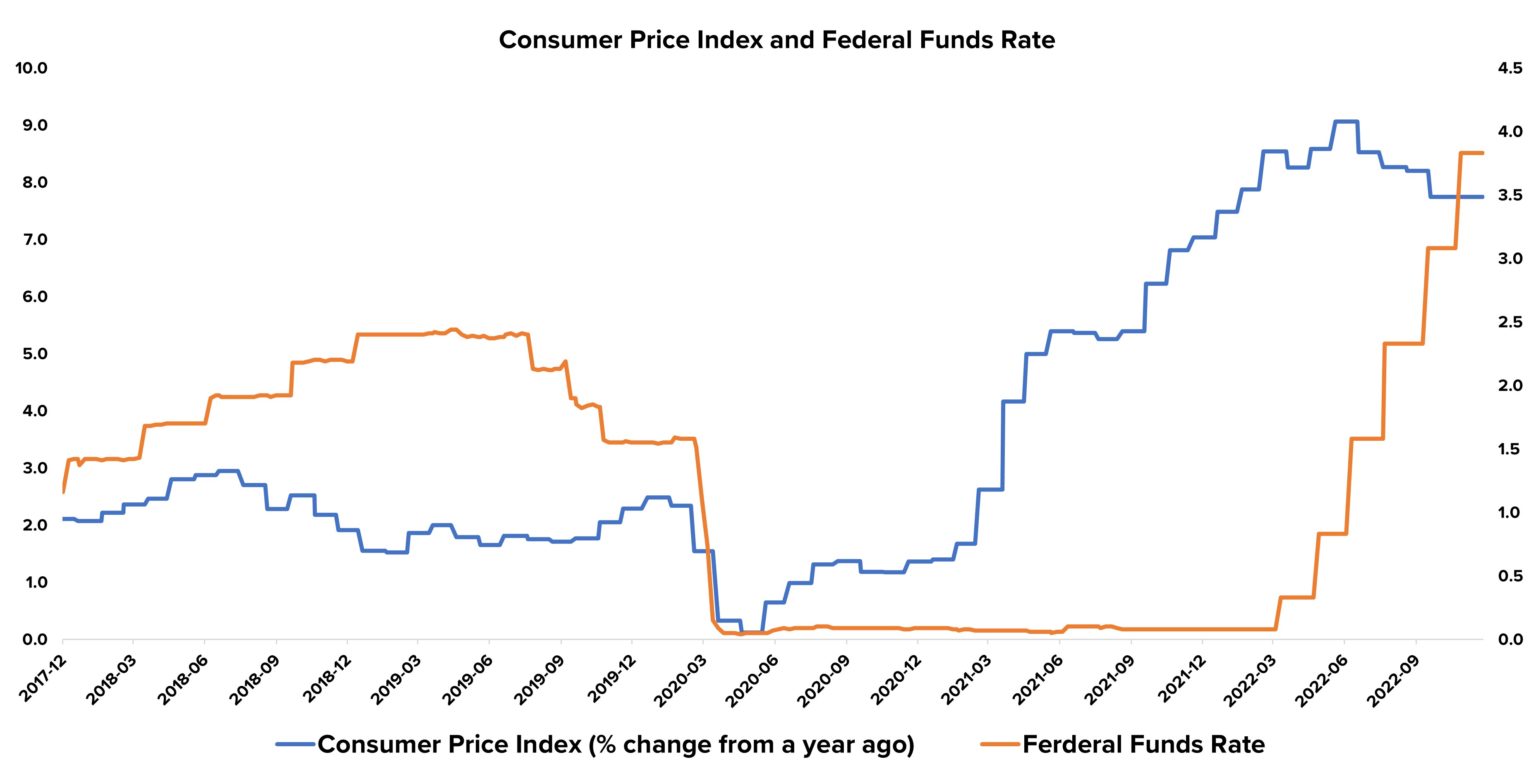
The CPI report is important for investors, policymakers, businesses and consumers because it reflects the changes in purchasing power and living standards over time. The CPI report can also influence interest rates, monetary policy, wages, taxes and government benefits that are tied to inflation.
The CPI report can also generate market reactions and expectations for future inflation. For example, if the CPI report shows a higher-than-expected increase in prices, it may signal that inflation is rising faster than anticipated and that the Federal Reserve may need to tighten monetary policy to keep inflation under control. Conversely, if the CPI report shows a lower-than-expected increase in prices, it may indicate that inflation is subdued and that the Federal Reserve may have more room to ease monetary policy to stimulate economic growth.
What Inflation Rate is Expected in the Next CPI Report?
According to a survey of economists, the consensus forecast is that the CPI will rise by 0.4% on a monthly basis and by 5.2% on a yearly basis. This would be slightly lower than the July figures, which showed a 0.5% monthly increase and a 5.4% annual increase, the highest since 2008.
The main drivers of inflation in recent months have been the surge in demand for goods and services as the economy reopened after the pandemic, the supply chain disruptions that caused shortages and higher costs for many products, and the base effects from comparing current prices to depressed levels a year ago. Some of these factors are expected to ease in the coming months, as production catches up with demand, as pandemic-related restrictions are lifted, and as the base effects fade away.
However, there are also some risks that could keep inflation elevated for longer than expected. These include the possibility of new variants of the coronavirus that could hamper the recovery, the persistence of labor market imbalances that could push up wages and salaries, and the spillover effects from higher inflation expectations that could influence price-setting behavior.
The Federal Reserve, which has a dual mandate of promoting maximum employment and price stability, has maintained that the current inflation spike is largely transitory and that it will not react prematurely by tightening its monetary policy stance. The Fed has signaled that it will start tapering its monthly asset purchases later this year, but that it will keep its benchmark interest rate near zero until it sees substantial further progress toward its goals.
The next CPI report will be closely watched by investors, policymakers, and consumers alike, as it will provide more information on the state and direction of inflation in the US economy. A higher-than-expected inflation rate could increase the pressure on the Fed to act sooner and more aggressively to rein in price pressures, while a lower-than-expected inflation rate could ease those concerns and support the Fed's patient approach.
Bottom Line
In this article, we have discussed when is the next CPI report. The CPI report can also affect consumer confidence and spending behavior.