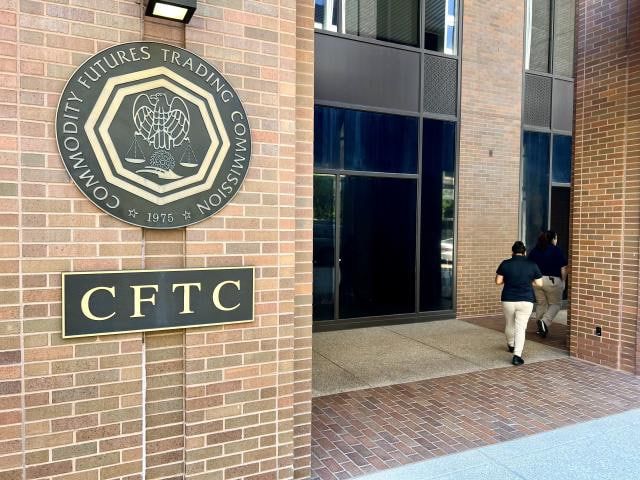
The Commodity Futures Trading Commission (CFTC) has taken legal action against individuals associated with Fundsz, an organization accused of engaging in a deceptive scheme involving the trading of cryptocurrencies and precious metals.
The CFTC has filed a lawsuit in the US District Court for the Central District of Florida against Rene Larralde, Juan Pablo Valcarce, Brian Early, Alisha Ann Kingrey, and their unincorporated entity Fundsz. The defenders are accused to have used misleading investment solicitations, promising extraordinary returns based on a purported "proprietary algorithm."
According to the CFTC, the defenders attracted investors by guaranteeing a consistent 3% weekly profit through trading cryptocurrencies and precious metals. They promoted Fundsz as a profitable venture, asserting that an investment of $2,500 could grow to $1 mill ion within just 48 months. Moreover, The CFTC claims that the defenders falsely linked Fundsz to charitable activities, exploiting the appeal of contributing to a noble cause.
It is further alleged that the defenders deceived over 14,000 individuals by falsifying their weekly returns. Despite these claims, the CFTC asserts that Fundsz did not actually engage in trading using client funds. Instead, the enterprise appears to have been based on on fabricated profits and deceptive statements.
Judge Wendy Berger has issued a statutory restraining order, freezing the assets of the defenders and appointing an interim receiver. A preliminary injunction hearing is scheduled for August 23. The CFTC's legal action seeks to recover compensation for defrauded investors, re claim ill-gotten gains, impose financial penalties, institute trading and registration injunctions, and establish lasting injunctions against future violations. In a separate case, the CFTC recently announced that US District Court Judge Naomi Reice Buchwald for the Southern District of New York had entered a default judgment against Michael Ackerman , who had been accused of perpetrating a fraudulent scheme involving false information to solicit funds from individuals and entities.