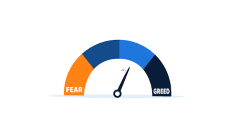
The crypto market is under pressure again. Bitcoin (BTC) is hovering near key cost levels, while most altcoins continue to fall. Beyond prices, a more important question is emerging: what will the crypto market be trading one year from now? As new token launches lose momentum, the old cycle of hype-driven altcoins is clearly fading.
What Is Happening to the Crypto Primary Market?
The primary market is shrinking. Early-stage funding for crypto-native projects has dropped sharply, and most tokens launching today come from projects that raised money years ago. These launches rarely bring fresh narratives, leaving the secondary market with fewer reasons to speculate.
This signals a structural shift: fewer new assets, weaker storytelling, and declining long-term confidence in traditional altcoins.
Are Meme Coins the New Altcoins?
Meme coins have not replaced altcoins. Instead, they have evolved into a short-term attention asset. Meme trading today is about speed, sentiment, and liquidity, not fundamentals or long-term value. While profitable for some, memes are not a sustainable substitute for a healthy innovation cycle.
What Is Asset Tokenization?
As native crypto projects slow down, platforms are turning outward. Tokenization brings real-world assets like stocks, gold, and silver on-chain. This allows traders to engage with macro trends such as inflation, interest rates, and economic cycles, using crypto-native infrastructure.
This shift changes how traders think—from tokenomics to global financial data.
Why Are Prediction Markets Growing?
Prediction markets are another fast-growing sector. Instead of trading tokens, users trade outcomes: elections, policy decisions, or economic data. This fits a market where events matter more than new projects.
Prediction markets simplify speculation into a single question: is the probability right or wrong?
Conclusion
Crypto is not ending—it is evolving. As altcoins lose relevance, trading is shifting toward tokenized real-world assets and prediction markets. When new coins no longer drive the market, what remains tradable is uncertainty, narratives, and global events.