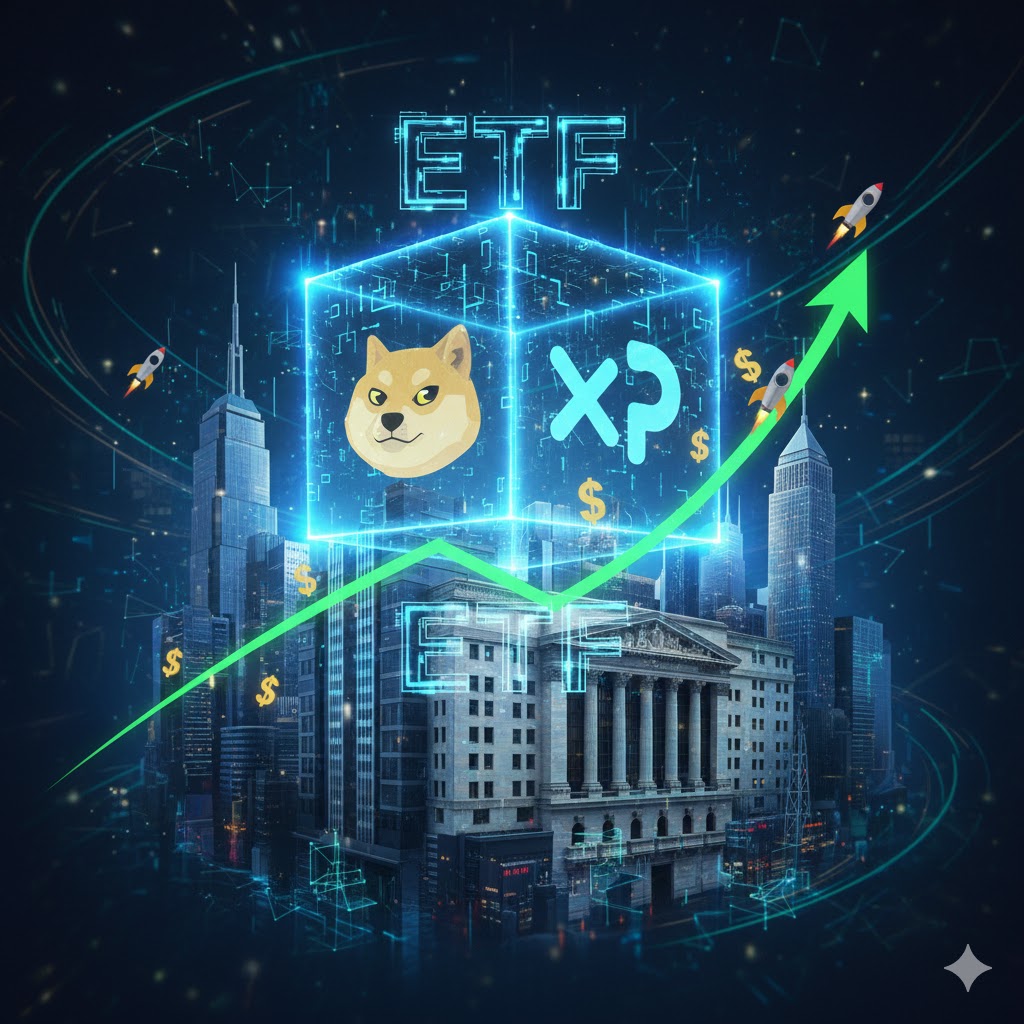
The launch of the first U.S. Dogecoin exchange-traded fund has forced the crypto industry into a debate that goes beyond price: is this a milestone for mainstream adoption, or simply speculation dressed in an institutional wrapper? The Rex-Osprey Dogecoin fund (ticker: DOJE) is slated to begin trading the week of September 11. 2025. and its structure and timing have amplified both optimism and skepticism across markets.
A different legal route: the 1940 Act workaround
Unlike the many spot Bitcoin and Ethereum ETFs that were approved via rule changes under the Securities Act of 1933. DOJE has been structured under the Investment Company Act of 1940 — an approach more commonly associated with mutual funds and diversified portfolios. That distinction matters: analysts say the 1940 Act route can allow a product to trade sooner but may also impose constraints on how it’s marketed and managed, making DOJE an unusual bridge between traditional fund mechanics and crypto markets.
Who is behind the product — and why it matters
Rex Shares and Osprey Funds are the sponsors behind DOJE, a move that immediately attracted attention because it opens the door for mainstream investors to get exposure to a token that started as an internet joke. Market commentators — including ETF analysts — have framed the pending launch as the start of a “memecoin ETF era,” a shorthand for a likely wave of funds that package low-utility, high-narrative tokens into regulated investment vehicles. That framing has helped push DOGE back into the headlines and trading screens.
Institutional flows vs. institutionalized speculation
One of the central tensions surrounding DOJE is not technical: it’s behavioral. Proponents say ETFs bring transparency, custody standards and a familiar on-ramp for pension funds and other large investors. Critics counter that wrapping meme tokens in an ETF will simply institutionalize what has historically been retail-led speculation — concentrating hot money into a regulated package that can still move markets wildly. Recent commentary and market moves show both forces in play: expectations of the fund have already altered sentiment and trading in DOGE and related memecoins.
A congested regulatory runway
DOJE’s arrival comes as the U.S. Securities and Exchange Commission struggles with a queue of altcoin ETF applications. The SEC has extended or delayed decisions on several high-profile altcoin ETF filings, and regulators’ cautious posture underscores how new product structures (like the 1940 Act approach) coexist with lingering questions about market surveillance, custody and fraud prevention. That backlog means the Dogecoin fund may be the first of several memecoin-linked products to trade, but it will not be the last item under regulatory scrutiny.
What this means for traders, investors and the ecosystem
For traders, an ETF is another way to access DOGE without touching centralized exchanges or self-custody — which can boost liquidity and compress spreads. For long-term investors and crypto purists, however, it raises uncomfortable questions: will token communities and developers feel the squeeze of price drivers suddenly dominated by institutional flows? Will media narratives and ETF inflows further decouple price from on-chain utility? Market watchers point out that packaged products can accelerate feedback loops: enthusiasm drives inflows, inflows lift price, rising price begets more headlines — and so on.
Risks and guardrails to watch
Even when an ETF offers a regulated way to invest, the asset inside still carries the token’s native risks: shallow order books, concentrated holdings, and sentiment-driven volatility. The 1940 Act structure may limit some promotional activity and impose operational constraints, but it does not remove the underlying exposure to sudden sentiment shifts. Investors should therefore read prospectuses carefully, understand tracking mechanics and be prepared for outsized volatility that can accompany meme assets — regardless of whether they’re bought via an ETF or on an exchange.
Conclusion
The Dogecoin ETF represents a pivotal test: can the market absorb products that institutionalize culture-driven assets without merely repackaging speculation? If DOJE draws meaningful inflows, it will likely inspire more memecoin-linked funds and raise fresh regulatory and market-structure questions. If it struggles, the episode will be a reminder that institutional wrappers cannot, by themselves, create durable fundamental value for assets born out of internet culture. Either way, the launch marks a new chapter in which mainstream financial plumbing meets meme-era psychology — and the short-term winners may well be those who trade the narrative, not those who bet on utility.