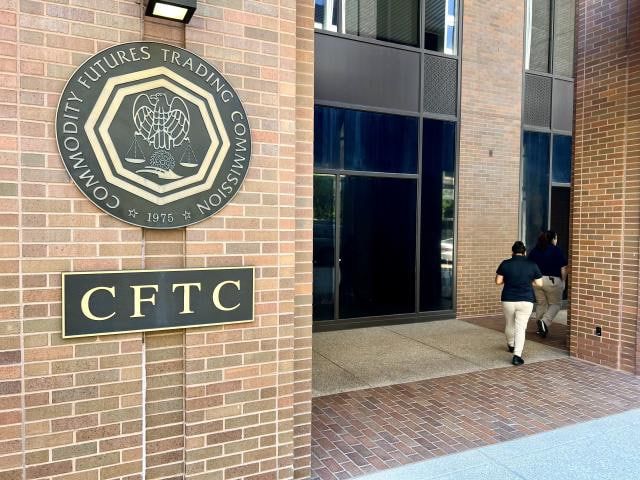
The U.S. Commodity Futures Trading Commission (CFTC) is directing its focus toward the handling of customer assets by companies. The CFTC has recently put forth proposals aimed at strengthening regulations for futures commission merchants (FCMs) and derivatives clearing organizations (DCOs). These entities are currently mandated to invest client funds in highly liquid assets. However, the revised regulations fail to consider the unique operational model of LedgerX.
LedgerX operates as a DCO, establishing direct connections with clients, departing from the traditional intermediary role played by FCMs. U.S. Commodity Futures Trading Commission (CFTC) Commissioner Kristin Johnson has voiced concerns, highlighting that the regulatory framework is falling behind the rapidly evolving industry. LedgerX, now a part of Miami International Holdings but previously associated with FTX, stands out for its direct customer access and its approach to settling cryptocurrency transactions without intermediaries. The company has secured multiple CFTC registrations to enhance its operations, with a focus on safeguarding consumer assets through enhanced segregation.
Johnson is advocating for a revision of the regulatory framework to ensure consistent protections for retail customers, whether they engage through an intermediary or directly with a non-intermediary DCO like LedgerX. The public has been granted a 75-day window to provide feedback on the proposal, and this dialogue could guide the CFTC in addressing the regulatory gaps identified by Johnson. The CFTC's role is crucial in ensuring that regulatory measures adapt to the evolving derivatives markets, ultimately safeguarding the interests of retail customers and promoting fairness and equity.