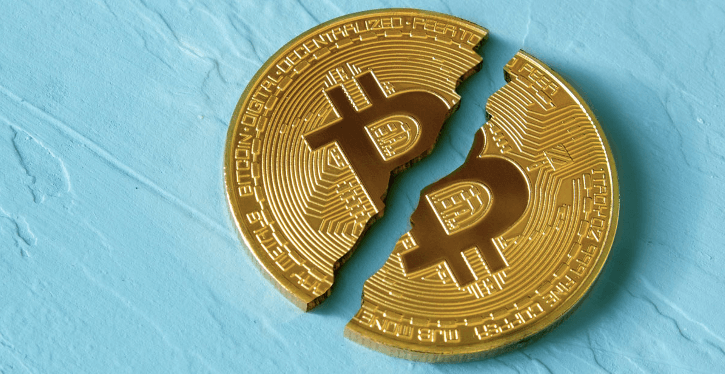
Loopring, a prominent Ethereum Layer 2 scaling solution for decentralized exchanges (DEXes), suffered a security breach in early June 2024. The exploit targeted Loopring's smart wallet functionality, resulting in a loss of around $5 million. This incident raises critical questions: how did the hack happen, and what are the implications for Loopring and the wider DeFi (decentralized finance) space?
How Did Hackers Exploit Loopring Smart Wallets?
Loopring's smart wallets are designed to enhance security by employing a two-factor authentication (2FA) system called "Guardian." Unfortunately, hackers managed to exploit a vulnerability within this very system.
Here's a breakdown of the exploit:
Compromised Guardian Service: The attackers gained unauthorized access to Loopring's Guardian service, which is supposed to be a secure way to recover compromised wallets.
Bypassing User Authentication: By compromising Guardian, the hackers were able to bypass standard user authentication and initiate recovery processes on targeted wallets.
Resetting Ownership and Draining Assets: The attackers reset ownership of the compromised wallets and transferred the stolen funds – estimated to be around $5 million worth of various cryptocurrencies.
What are the Implications of the Loopring Smart Wallet Hack?
The Loopring exploit serves as a stark reminder of the ongoing security challenges within the DeFi space. Here are some key implications to consider:
Importance of Multi-Factor Authentication Security: The hack highlights the need for robust 2FA implementations. Loopring is investigating how their Guardian system was compromised to prevent similar attacks in the future.
Smart Contract Vulnerabilities: The incident underscores the importance of thorough smart contract audits to identify and rectify potential vulnerabilities before they can be exploited.
User Awareness and Education: This event emphasizes the importance of DeFi users remaining vigilant and practicing good security habits, such as using strong passwords and being cautious about wallet recovery processes.
Impact on Loopring's Reputation: The hack can potentially damage Loopring's reputation, especially if user trust is eroded. Transparency and clear communication from Loopring regarding the exploit and their remediation efforts will be crucial.
In Conclusion
The Loopring smart wallet hack serves as a cautionary tale for the DeFi industry. It highlights the need for continuous improvement in security measures, user education, and robust smart contract development practices. Loopring's response to the exploit and their commitment to user safety will be closely watched as they navigate this challenging situation. As DeFi continues to evolve, prioritizing security remains paramount to ensure a safe and trustworthy environment for users.