| Time | Change | High | Low |
|---|---|---|---|
| 24H | 0.00% | -- | -- |
| 7D | 0.00% | -- | -- |
| 30D | 0.00% | -- | -- |
| All | 0.00% | -- | -- |
BUZAR is a marketplace with wide functionality. BUZAR, like the ancient Oriental bazaars, combines the most simple and important functions for users of the network around the world: live communication through the messenger and mutually beneficial cooperation. On the platform at the same time will be implemented with communication service and universal Super-marketplace.
What is BUZAR’s Goal?
BUZAR is creating an oasis in the network, where communication between people will be alive and sincere, and business relations between participants will be based on trust. BUZAR would be creating a unique product that is user-friendly. To do this, BUZAR team plans to make a multifunctional service with a sophisticated security system and a simple and clear interface.
Where to store BUZ tokens?
Buzcoin (BUZ) is hosted on the Ethereum network (ERC-20), therefore, you may store your BUZtokens in any ETH compatible digital wallet such as Metamask and imToken. If you wish to store your BUZ token in a safer place, you can try to store them in a hardware wallet that supports it. It would be a more secure solution and greatly reduce risk of being compromised.

Thailand's new framework for crypto exchange-traded funds took effect on October 16, 2026, allowing the country's first regulated bitcoin and ether ETFs to launch domestically.

Bitcoin fell 1.6% to just under $82,800 on the morning of October 8, 2026 in Asia, breaking below a level analysts had flagged as a potential trigger for further declines.

Bitcoin climbed past $81,000 during Monday's Asian trading session, while NEAR surged 23% on a wave of swap activity tied to Zcash.

BUZZ, also known as Hive AI, is a Solana-based cryptocurrency that merges artificial intelligence with DeFi functionality.

BUZZ is a token within the Solana ecosystem, developed by Hive AI, to simplify decentralized finance (DeFi) operations.
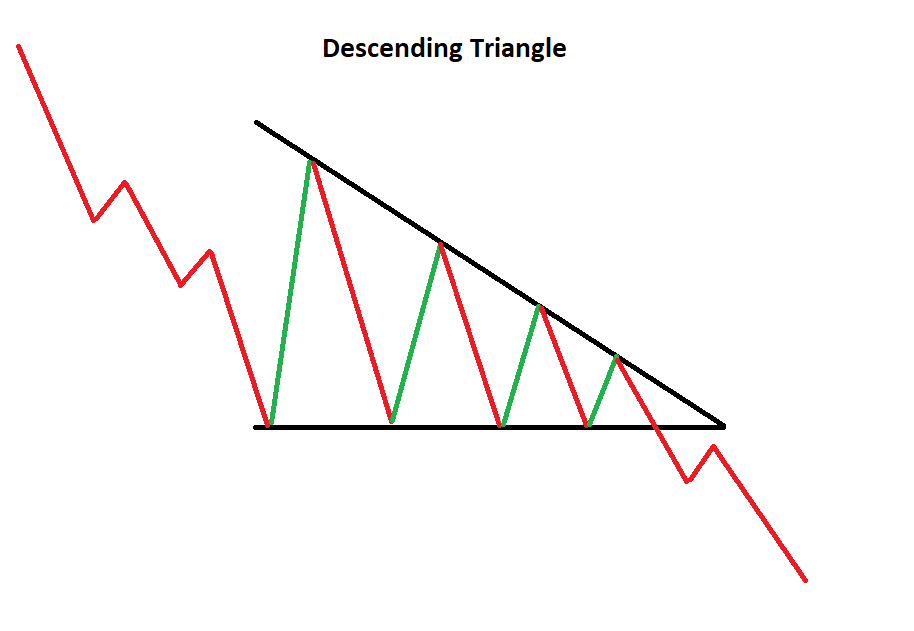
Ascending and descending triangles are the two most common right-angle chart patterns. Learn how to draw them correctly, confirm breakouts instead of guessing, project targets with the measured move, and control risk when the pattern fails.