| Time | Change | High | Low |
|---|---|---|---|
| 24H | 0.00% | -- | -- |
| 7D | 0.00% | -- | -- |
| 30D | 0.00% | -- | -- |
| All | 0.00% | -- | -- |
On September 10, 2018, the New York Department of Financial Services (NYDFS) simultaneously approved two stablecoins based on Ethereum, Gemini Dollar and Paxos Standard. These two stablecoins are encrypted digital currencies anchored 1:1 with the US dollar. These two digital currencies will be regulated by the U.S. government, and account funds will be audited every month. If there is a problem with the account, the U.S. government can pass law enforcement. means for freezing and other operations.
PAX (Paxos Standard) is the world's first compliant stablecoin, issued by the blockchain startup Paxos. PAX aims to provide liquidity for investors trading crypto assets by providing a "digital alternative to cash" , for instant trade settlement across all asset classes.
PAX is a stable currency backed by 1:1 USD, 1PAX is equal to 1 USD, and all PAX reserves will be 100% collateralized by the fully held USD. Built on Ethereum’s ERC-20 standard, PAX can be sent between any two wallets on the Ethereum network, and verified Paxos customers can buy or redeem PAX on their company website.

Ethereum core developers scheduled EIP-8141, called "Frame Transactions," for inclusion in the Hegotá upgrade planned for 2027.

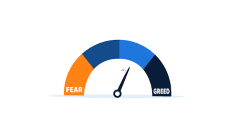
The Crypto Fear & Greed Index jumped from 27 on August 12, 2026 to 74 on August 26, 2026, a 47-point swing in two weeks.

Bitcoin crossed $80,000 for the first time since May 15, 2026, reaching an intraday price of $80,527.93.

Techemynt Limited announced the launch of GoldNZ and SilverNZ, tokenized gold and silver bullion backed 1:1 by physical metals stored in New Zealand.

War and tariffs affect Bitcoin mainly through liquidity and dollar strength. When uncertainty rises, capital shifts away from risk assets, creating pressure on crypto prices. As conditions stabilize, liquidity can return just as quickly.

According to BitKan, XAUT typically charges a 0.25% minting and redemption fee, and trading spreads on exchanges are usually lower. PAXG uses a tiered fee structure, with higher fees for small transactions and lower fees for large transactions.