Hallie Gill

Hallie Gill has worked for several years in sell-side institutions, providing financing for small companies. Hallie graduated from the University of Toronto with a degree in Mining Engineering. He holds ETH, BTC, and SOL worth more than the disclosure threshold of $5,000. He also holds LINK, ATOM, and some other altcoins worth less than the disclosure threshold of $3,000. He has provided over $1,000 in liquidity to pools on platforms such as Compound, Curve, SushiSwap, PancakeSwap, BurgerSwap, Orca, AnySwap, SpiritSwap, Rook Protocol, Redacted Cartel, OlympusDAO, Rome, Trader Joe, and SUN.

Latest Articles

DPOS Meaning: What is Delegated Proof of Stake

The Delegated Proof of Stake (DPoS) consensus algorithm was developed by Daniel Larimer, in 2014. Bitshares, Steem, Ark, and Lisk are some of the cryptocurrency projects that make use of DPoS consensus algorithm.

How to get free NFTs and how to create your own NFT

The phrase free NFT carries with it a lot of baggage. Scammers and fraudsters will lure would-be NFT owners in under the guise of earning free NFTs, only to empty their crypto wallets. So, is there any legitimate way to get free NFTs?

Market Liquidity Meaning: What Is Liquidity In Finance

Understanding market liquidity meaning will benefit you in times of unfavorable market conditions and help you navigate past being stuck in a losing trade. Let's dive into what market liquidity is and why it's important.

How Does Tether Work: USDT Explained

Tether (USDT) is one of the largest stablecoin by market capitalization that is designed to be pegged 1-to-1 to the U.S. dollar to achieve a stable value, hence its title. This means that for every dollar of USDT token issued, it is backed by a dollar’s worth of assets from its reserves. Like other stablecoins, USDT is commonly used to avoid the market volatility that is common to the overall cryptocurrency market. In this article, we’ll bring some light to the question of “how does Tether work” so that you’ll be able to grasp an understanding in no time!

IOU Meaning: What is IOU

The acronym IOU stands for “I owe you” and refers to an informal document that acknowledges a debt one party owes to another.

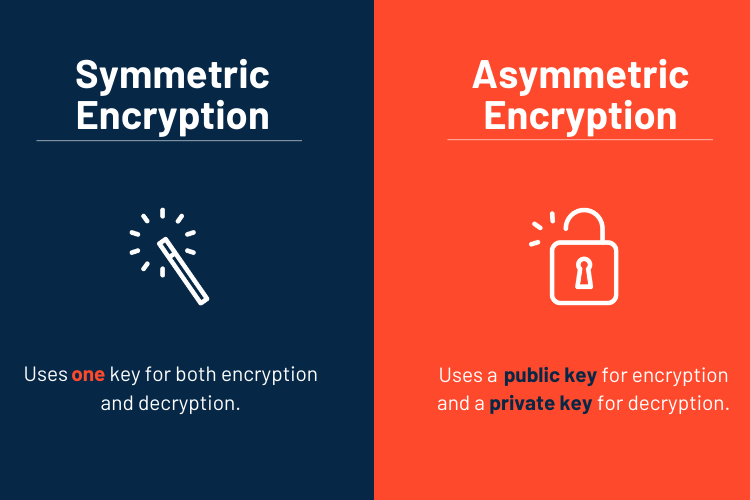
Symmetric Encryption vs Asymmetric Encryption

Cryptographic systems are currently divided into two major fields of study: symmetric and asymmetric cryptography. While symmetric encryption is often used as a synonym of symmetric cryptography, asymmetric cryptography embraces two primary use cases: asymmetric encryption and digital signatures. This article will focus on symmetric encryption vs asymmetric encryption algorithms.