For any investor, the allure of the biggest and richest can be undeniable. After all, if they're on top, there must be something right, wouldn't you think?
Think of it like liquidity being the bridge between your assets and your pocketbook. The sturdier and more accessible the bridge, the better prepared you are for financial surprises.
Investing is often an exercise in trust. You entrust your capital to companies, hoping their shrewd choices and steady growth will multiply your wealth. But what happens when that trust is breached?
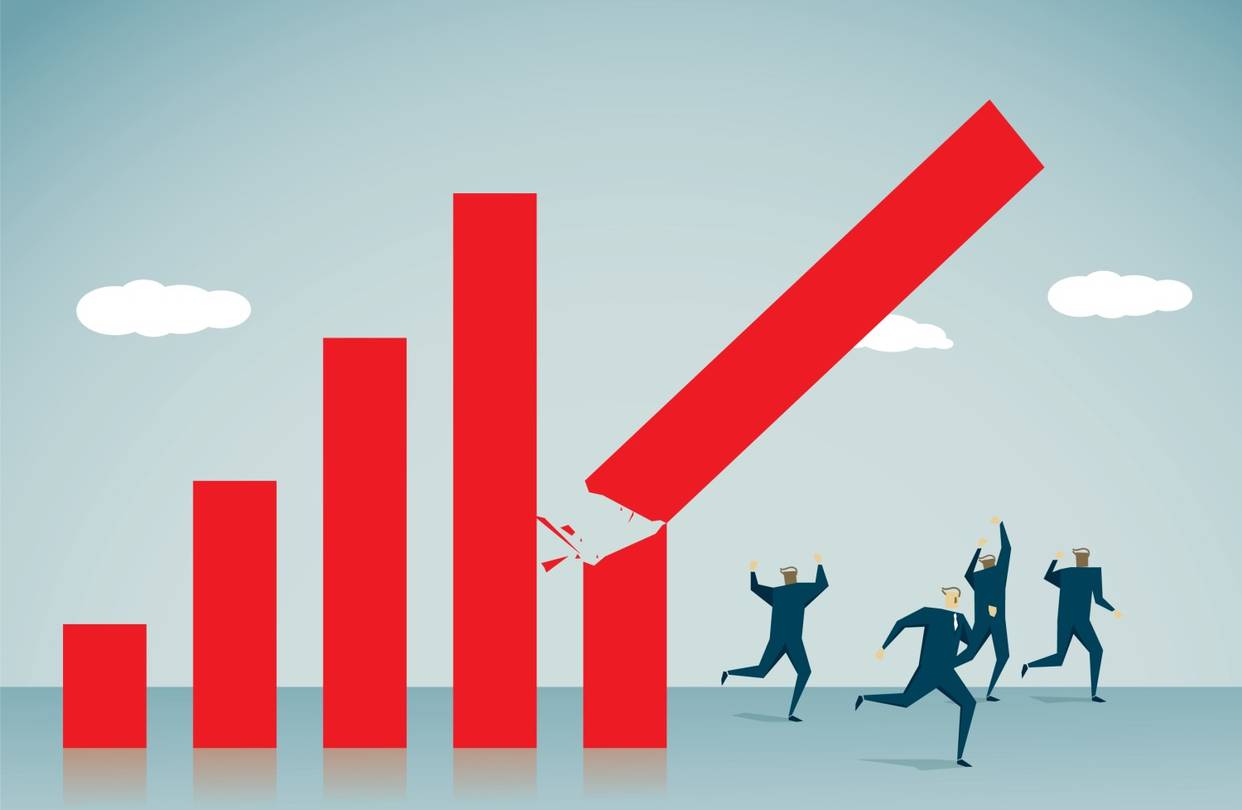
Investing can feel like a rollercoaster ride, even at the best of times. But when whispers of "recession" start swirling in the air, the thrills can quickly turn into chills.
Imagine an economy where the government takes the helm, steering production, prices, and resource allocation. This isn't just a nautical metaphor; it's the reality of a command economy, a system where central authorities call the shots on economic activity.
Imagine a seesaw – on one end rest your assets, valuable possessions that put money in your pocket. On the other, however, sit liabilities – debts and financial obligations that draw money out.
Counterparty risk refers to the potential that one of these parties, the counterparty, may fail to fulfill their obligations – leaving the other party, you, holding an empty bag.
The fundamental defining factor for short-term versus long-term capital gains lies in the holding period: the duration you've held the asset before selling it.
The S&P 500, with its diverse portfolio of established companies, paints a picture of stability. Its historical annual returns boast an average of 10.13% since its inception in 1957.
From reusable rockets to satellite internet, the company has revolutionized the space industry. But one question looms large: Just how high can SpaceX's market cap climb?
The best retirement investments for you depend on your specific circumstances, risk tolerance, and time horizon. Consider consulting a financial advisor to develop a personalized retirement investment strategy that aligns with your goals and risk profile.
By measuring the total market value of a company's outstanding shares, the market cap provides a snapshot of investor confidence and a company's financial strength.
Purchasing a home is a significant decision that involves careful consideration of various factors. Among these factors, property features play a crucial role in determining the livability, comfort, and overall value of a home.