Cost basis is the original purchase price of an asset, plus any fees or expenses associated with acquiring the asset. Let's take a closer look at this article for a better understanding.
Insider trading is the buying or selling of a security based on material, non-public information about that security. It is illegal in most countries, including the United States. Insider trading is wrong because it gives certain investors an unfair advantage over other investors.
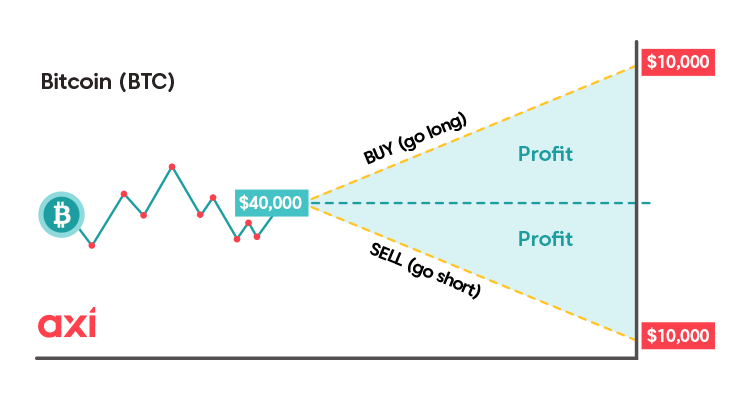
Contract for differences (CFD) trading is a type of derivative trading that allows investors to speculate on the price movements of underlying assets without owning them. CFDs can be traded on a wide range of assets, including stocks, indices, commodities, and currencies.
After-hours trading is the trading of securities outside of regular market hours. It is typically conducted on electronic communication networks (ECNs) and is less liquid than regular market trading. After-hours trading can be a useful tool for investors who need to trade outside of regular market hours, but it is important to understand the risks involved.
Forex trading is the buying and selling of currencies on the foreign exchange market. It is the largest financial market in the world, with a daily trading volume of trillions of dollars. Forex trading can be a profitable endeavor, but it is important to understand the risks involved and to have a solid trading strategy in place before you start trading.
The number of trading days in a year can vary depending on a number of factors including weekends, holidays, and leap years. However, on average, there are around 252 trading days in a year. This number can be used to calculate annual returns on investments as well as to plan for trading activity.
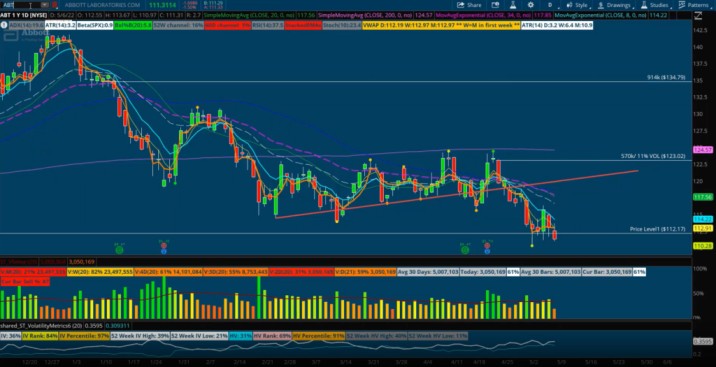
This is about can you make money with day trading. Day trading is the practice of buying and selling financial instruments within the same trading day.
The black swan effect is a term used to describe an unexpected and rare event with a significant impact. In the context of investment and cryptocurrency, a black swan event could be anything from a major regulatory crackdown to a hack of a major exchange. While black Swan events are difficult to predict, they can have a devastating impact on investors who are not prepared.
Collateral is an asset that is pledged to a lender to secure a loan. If the borrower defaults on the loan, the lender can seize and sell the collateral to recoup its losses. Collateral is a common feature of many types of loans, including mortgages, car loans, and personal loans.
Your credit score is a three-digit number that lenders use to assess your creditworthiness. It is calculated based on your credit history, which includes your payment history, credit utilization, length of credit history, types of credit, and new credit inquiries.
Economic freedom is the ability of individuals to control their own labor and property in a free market economy. It is the absence of government coercion or interference in economic activity. Economic freedom is important because it allows people to pursue their own economic goals and to improve their lives.
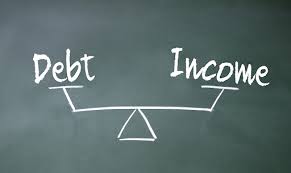
Your debt-to-income (DTI) ratio is a measure of how much of your monthly income goes towards paying your debts. It is a key factor that lenders consider when deciding whether to approve you for a loan and at what interest rate.
This article is about what are the characteristics of dark pool trading. Dark pool trading represents a unique and controversial aspect of modern markets.
This is about what is the meaning of OTC trading. Over-the-Counter (OTC) trading emerges as a versatile and often discreet method of buying and selling financial instruments.
This is about what is pre-market trading. Pre-market trading allows investors and traders to buy and sell stocks before the official opening of the regular trading session.
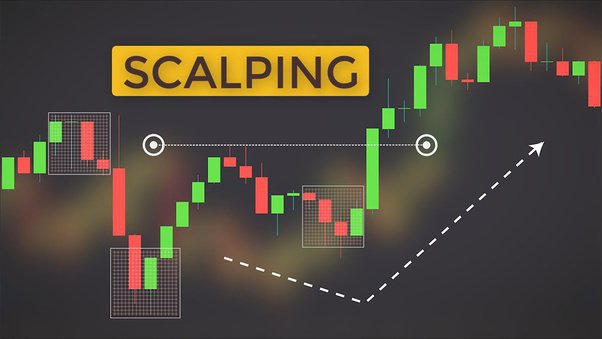
This article is about what is the meaning of scalping trading. Scalping trading is a fast-paced and short-term trading strategy focused on capturing small price movements.
A national default pertains to a scenario in which a sovereign nation is incapable or dismissed to meet its financial obligations, particularly its payments on debt. So, what happens if US defaults? Let's talk about it
The debt ceiling is a critical limit set by a government on the amount of debt it can legally borrow. In this article, you can expect to see the debt ceiling explained. You are at the right place.