Crypto structured products are pre-packaged investment instruments that combine derivatives like options with fixed-income-style features to create defined payout outcomes.
MAVAN is an Ethereum staking platform that provides institutional investors, custodians, and crypto participants with direct access to staking rewards and on-chain infrastructure.
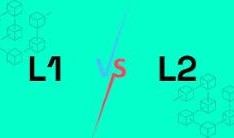
The main difference lies in their purpose: L1 focuses on security, decentralization, and core settlement, whereas L2 prioritizes speed, efficiency, and specialized features that L1 cannot provide alone.
The Open Wallet Standard is an open-source protocol that allows AI agents to manage digital assets and execute transactions across different blockchain networks without exposing private keys.
OpenClaw AI can transform multiple industries by integrating automated reasoning with specialized data. In agriculture, AgroMind uses satellite data and market signals to create predictive hedging workflows.
CARF is a framework that requires Reporting Crypto-Asset Service Providers (RCASPs) to collect detailed tax-related information about their clients and transactions.
AI trading agents are automated systems that use artificial intelligence and machine learning to analyze market data, generate trading strategies, and execute trades in crypto markets.
The Five-Category Law for crypto is a regulatory framework that classifies digital assets into five distinct categories based on their function and economic characteristics.
The S&P 500 may still have room to climb before facing significant downside risks. Short-term momentum and global capital flows could push the index toward new highs.