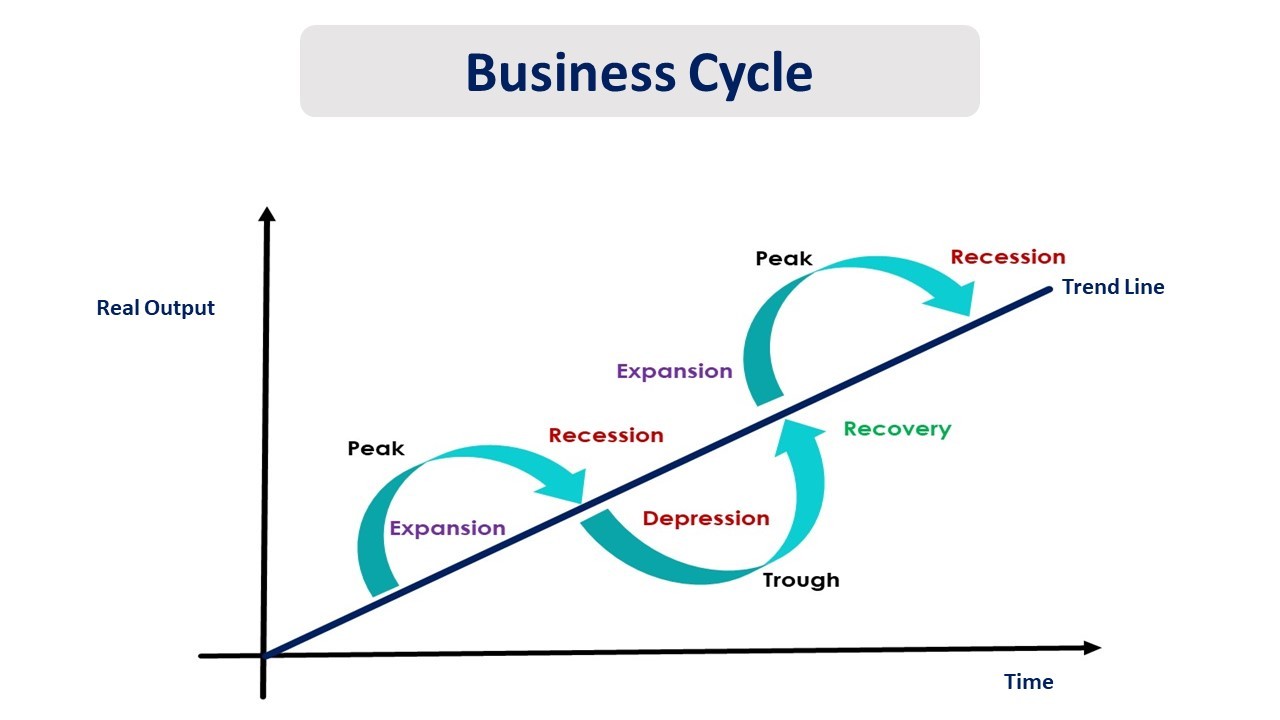
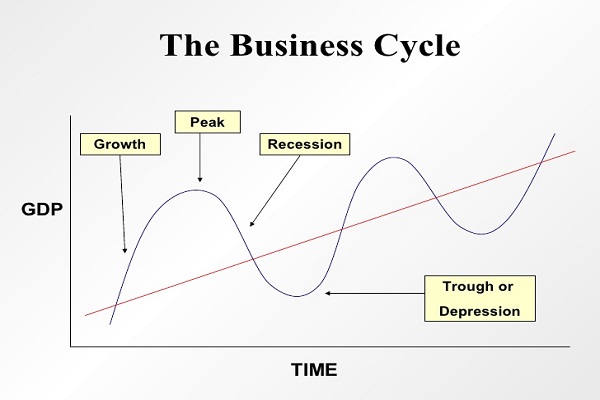
This is about what is expansion inflation. Expansion inflation—a term often heard in economic circles—captures a critical economic phase marked by robust growth and rising prices.
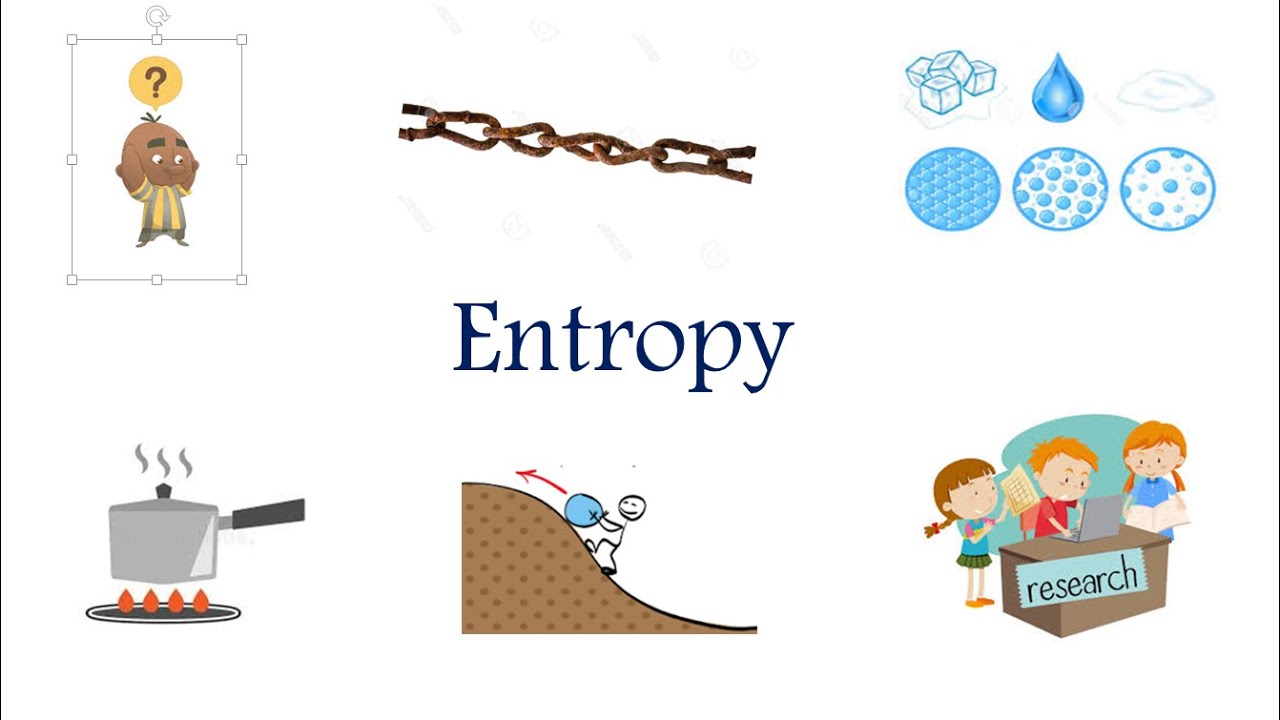
Entropy is a concept that has intrigued scientists and philosophers for centuries, and its implications span across various fields of study, including physics, chemistry, biology, and information theory.
This article is about what is inelasticity in economics. In the realm of economics, the notion of inelasticity unveils a fascinating aspect of market dynamics.
This article is about what is dual citizenship. Dual citizenship offers a unique status, granting individuals the rights and responsibilities of multiple nations.
This article is about what are the differences between M1 vs M2 money supply. Understanding their differences is vital in comprehending the broader financial landscape.
This article is about what is Keynesian economics theory. Keynesian economics was developed by the British economist John Maynard Keynes during the early 20th century.
Liquidity refers to the ability to convert an asset into cash without significant loss of value. Highly liquid assets, such as cash and money market accounts, can be readily exchanged for cash without incurring substantial transaction costs or delays.
Tangible assets are physical possessions that hold monetary value. They are categorized as non-current assets on a company's balance sheet, indicating that they are expected to be used for more than one accounting period.