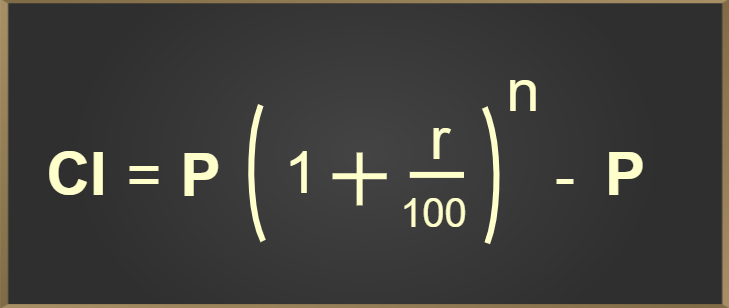
This article is about how does compound interest work. Compound interest is a concept in finance that allows your money to grow exponentially over time. It is the interest earned on both the initial principal amount and any accumulated interest from previous periods.
How Does Compound Interest Work?
Compound interest allows your money to work for you by generating earnings on both the initial investment and the accumulated interest. It is a powerful tool for long-term investing and can significantly boost your savings or investments over time.
Here's how compound interest works:
Initial Investment: You start with an initial amount of money, which is called the principal. This could be an investment, a savings account, or a loan.
Interest Rate: You earn or pay interest on your principal based on a specified interest rate. The interest rate is usually expressed as an annual percentage.
Compounding Period: Compound interest is calculated and added to the principal at regular intervals, known as the compounding period. It could be annually, semi-annually, quarterly, monthly, or even daily, depending on the terms of the investment or loan.
Accumulation of Interest: With compound interest, the interest earned in each compounding period is added to the principal, creating a larger base for the next period's interest calculation.
Exponential Growth: Over time, the compounding effect leads to exponential growth of your money. As each period's interest is added to the principal, it generates additional interest in the subsequent periods. This compounding effect accelerates the growth of your investment or debt.
Time: The longer the money remains invested or the debt remains outstanding, the greater the impact of compound interest. The power of compounding increases with time, allowing your investment to grow significantly over long periods.
Who Benefits From Compound Interest?
Compound interest benefits both lenders and investors. Here's how it benefits each party:
Lenders: Lenders, such as banks and financial institutions, benefit from compound interest when they lend money. As interest accumulates on the principal amount, the lender earns more money over time. This allows them to generate profit and cover their operating costs. Compound interest incentivizes lenders to provide loans and invest in financial instruments.
Investors: Investors benefit from compound interest when they make long-term investments. By reinvesting the interest earned, their investment grows exponentially over time. Compound interest enables individuals to accumulate wealth and achieve their financial goals. It is particularly advantageous for retirement savings, where investments can grow significantly over several decades.
Bottom Line
In this article, we will discuss how does compound interest work. Compound interest is a powerful tool that benefits both lenders and investors. It rewards those who save or invest for the long term, allowing their money to work for them and generate greater returns over time.