Imagine you have a magic money tree. Every year, it sprouts $100 in fresh bills. Sounds pretty sweet, right? But what if another tree, instead of just dropping $100 each year, actually used the money it grew to sprout even more money the next year? That's the difference between simple and compound interest.
Simple Interest: The Straightforward Approach
Think of simple interest as the basic, no-frills option. It's like getting a flat bonus on your savings each year. Here's how it works:
- You deposit $1,000 at an annual interest rate of 5%.
- At the end of the year, you earn $50 in interest ($1,000 x 5% = $50).
- Your total balance after one year is $1,050 ($1,000 + $50).
No matter how many years you keep your money in, you'll always earn the same amount of interest each year. It's predictable and easy to understand like that reliable money tree dropping its $100 bills.
Compound Interest: The Money-Multiplying Machine
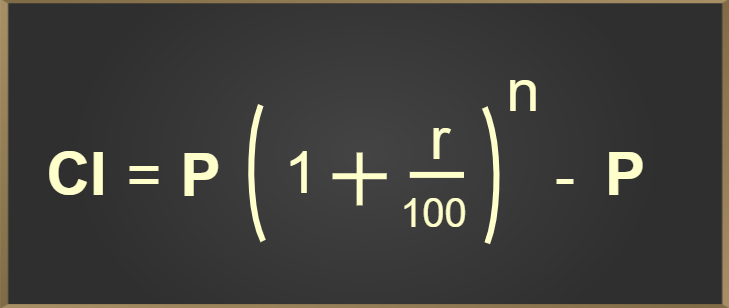
Now, imagine your magic money tree isn't just dropping bills, it's also planting new trees! That's the power of compound interest. It takes the interest you earn and adds it to your principal amount, so you earn interest on both the original amount and the accumulated interest. It's like a snowball rolling down a hill, getting bigger and bigger as it picks up more snow.
Here's how it works with the same example:
- Year 1: You earn $50 in interest, just like with simple interest.
- Year 2: You earn interest on both the original $1,000 and the $50 you earned in year 1, for a total of $52.50 ($1,050 x 5%).
- Year 3: You earn interest on the $1,050 and the $52.50 from year 2, for a total of $55.12 ($1,102.50 x 5%).
See how the interest grows each year? Over time, the difference between simple and compound interest becomes substantial.
Which One Should You Choose?
It's a no-brainer: always choose compound interest if you have the option. It's the most effective way to grow your wealth over time, especially for long-term goals like retirement or a down payment on a house.
However, there are a few situations where simple interest might be preferable:
- Short-term investments: If you only need your money for a short time, the difference between simple and compound interest might be negligible.
- Debt repayment: Some loans, like student loans, use simple interest. This means your monthly payments go primarily towards the principal, not the interest, which can be helpful for paying off debt faster.
The Takeaway: Time is Money, and Compound Interest Makes the Most of It
Remember, the earlier you start investing and the longer you let your money grow, the more significant the impact of compound interest will be. So, plant those seeds of financial wisdom today and watch your money tree blossom into a forest of wealth!
I hope this article helped you understand the difference between simple and compound interest.