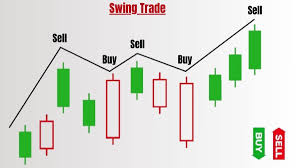
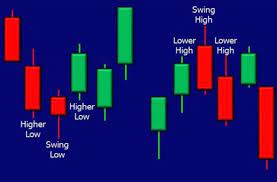
Swing trading is a popular trading strategy for those seeking to profit from short- to medium-term price movements in financial markets. This method blends technical analysis, market trends, and strategic timing to maximize returns.
What Is Swing Trading?
Swing trading is a trading style that involves holding assets for several days or weeks to capitalize on price "swings." It differs from day trading, which involves closing positions within the same day, and long-term investing, which spans months or years.
How Do You Identify Swing Trading Opportunities?
Successful swing trading requires identifying trends using technical indicators such as moving averages, RSI, and Fibonacci retracement. Analyzing market sentiment and news can also help pinpoint lucrative opportunities.
What Are the Best Assets for Swing Trading?
Swing trading can be applied to stocks, cryptocurrencies, forex, and commodities. Look for assets with high liquidity and volatility, as they tend to have frequent price movements that align with swing trading strategies.
How Can You Manage Risks in Swing Trading?
Risk management is crucial in swing trading. Use stop-loss orders to limit potential losses and position sizing to prevent overexposure. Diversifying your trades across different assets can further reduce risk.
What Tools and Platforms Do Swing Traders Use?
Swing traders rely on trading platforms with advanced charting tools, such as TradingView or MetaTrader. These tools allow for in-depth analysis and strategy testing, which are critical for consistent success.
Conclusion
Swing trading offers a balanced approach to trading, combining technical expertise with strategic timing. By mastering technical analysis, managing risks effectively, and using the right tools, you can harness the potential of swing trading to achieve your financial goals.
How to Swing Trade? How Can You Manage Risks in It? - I hope this article was informative.