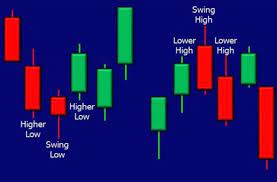
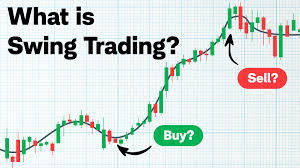
Swing trading is one of the most popular trading strategies in the financial markets. It involves capturing shorter to medium-term price movements in stocks, commodities, or other assets. A swing trader looks to profit from price swings within a trend, holding positions for several days to weeks. In this article, we will explore what a swing trader is, how they operate, and why this trading style appeals to many investors.
What is a Swing Trader?
A swing trader is an investor who aims to capitalize on price movements within an established trend. Unlike day traders, who focus on short-term movements and close all positions by the end of the trading day, swing traders hold positions for longer periods, typically ranging from a few days to a few weeks. Swing traders use technical analysis, chart patterns, and other tools to identify entry and exit points in the market.
How Do Swing Traders Identify Opportunities?
Swing traders look for assets that are experiencing a price "swing" or a temporary movement within a larger trend. They often use chart patterns, such as support and resistance levels, moving averages, and technical indicators like the Relative Strength Index (RSI) to spot trends and identify potential reversals. By buying low and selling high (or short-selling during downtrends), swing traders can capture significant price movements over a short period.
What Are the Risks and Rewards of Swing Trading?
Swing trading offers substantial profit potential, especially when traders correctly anticipate price movements. However, it also involves significant risk. The key challenge for swing traders is to accurately predict market swings and manage the volatility that can occur over the holding period. While swing traders can enjoy high returns, they must also be prepared for market fluctuations that may result in losses.
Why Do Traders Choose Swing Trading?
Swing trading appeals to many traders because it strikes a balance between the fast-paced world of day trading and the more long-term approach of buy-and-hold investing. It allows traders to capitalize on shorter-term market opportunities without the need to monitor the markets constantly. This makes swing trading an attractive option for part-time traders who still want to be actively involved in the market.
Conclusion:
Swing trading can be a highly effective strategy for those who are looking to capture market opportunities over a short to medium-term horizon. By using technical analysis to spot trends and potential reversals, swing traders can maximize their profit potential. However, it's essential to understand the risks involved and develop solid strategies to manage them.