The dance of the stock market is a captivating spectacle, with prices soaring and dipping like a rollercoaster on overdrive. Within this whirlwind, investors navigate a landscape of highs and lows, seeking to capitalize on the rhythm of the market. Two key terms guide this journey: swing highs and swing lows. But what exactly do they mean, and how can they be harnessed to ride the waves of volatility and make informed investment decisions?
What are Swing Highs and Swings Lows?
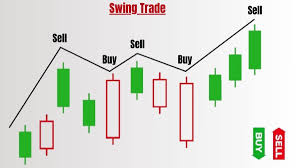
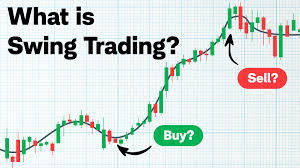
Imagine a price chart tracing the path of a stock over time. Swing highs mark the peaks of these waves, where the price reaches a temporary high before dipping back down. Conversely, swing lows represent the troughs, the lowest points before the price rebounds. These turning points, distinct from smaller fluctuations, offer valuable insights into market momentum and potential trends.
Unveiling the Secrets: Identifying Swing Points
So, how do we identify these crucial points on the chart? While there's no single, foolproof method, several techniques can guide your analysis:
Pivot Points: These are calculated price levels based on previous highs, lows, and closing prices. A break above a pivot point often indicates a potential swing high, while a break below signifies a swing low.
Trend Lines: Connecting consecutive highs or lows can create trend lines, visualizing the overall direction of the market. A reversal of the trend, where the price breaks through the trend line, can signal a swing point.
Technical Indicators: Moving averages, Bollinger Bands, and other technical indicators can highlight areas of overbought or oversold conditions, potentially leading to swing highs or lows.
Beyond the Points: What Do They Tell Us?
Swinging highs and lows offer a wealth of information for investors. They can:
Confirm trends: A series of higher swing highs and higher swing lows confirms an uptrend, while the opposite pattern suggests a downtrend.
Signal potential reversals: A break below a swing low or above a swing high can indicate a potential trend reversal, offering opportunities to enter or exit positions.
Identify support and resistance: Swing highs and lows often become support and resistance levels, where the price may struggle to break through. Identifying these levels can help investors set entry and exit points.
Riding the Waves: Strategies for Swing Highs and Lows
While swing points offer valuable insights, it's crucial to remember that they are not crystal balls. Here are some strategies for using them effectively:
Combine with other analysis: Don't rely solely on swing points. Use them in conjunction with fundamental analysis, technical indicators, and market sentiment to make informed decisions.
Manage risk: Always have stop-loss orders in place to limit potential losses, especially when trading based on swing point signals.
Be patient: Waiting for confirmation before entering or exiting a trade based on swing points can help avoid false signals and emotional decisions.
Conclusion
Swing highs and lows are powerful tools for navigating the volatile waters of the stock market. By understanding their meaning and utilizing them effectively, investors can gain valuable insights into potential trends, identify support and resistance levels, and make informed decisions that can lead to success. Remember, the market is a dynamic beast, and no single indicator guarantees success. But by mastering the art of reading the waves, you can become a more confident and informed investor, ready to ride the highs and weather the lows.
What are Swing Highs and Swings Lows? What is the difference? - I hope this article was informative.