
$ 0.0513(0.00%)
REQ Price Chart
Request Market Information
$ 1.0590
0.00%
0.00%
0.00%
364
5,210,303.62
$ 40,870,444.85
796,694,831.47
Information
Issue Date2017-10-21
Initial Offering Price$ 0.0660
Max Supply
1,000,000,000.00
Circulating Supply796,694,831.47
Listed Exchanges12
Incentive Mechanism
Encryption Algorithm--
Request Price History
| Time | Change | High | Low |
|---|---|---|---|
| 24H | 0.00% | -- | -- |
| 7D | 0.00% | -- | -- |
| 30D | 0.00% | -- | -- |
| All | 0.00% | -- | -- |
About Request
1. Introduction
Request is a decentralized network built on the Ethereum network that allows anyone to initiate payment requests anywhere and provide recipients with a secure payment method. All data is stored in a decentralized real ledger, creating a financial platform for asset invoicing, accounting, auditing and payment standards. That is, a financial platform for enterprise-level payment financial audit based on cryptocurrency and blockchain network.
2. Project introduction
Request is a decentralized network that allows anyone to request payment (Request invoice), and the audience can pay in a secure way. Some information is stored in a decentralized ledger. This will lead to cheaper, simpler, and more secure payment methods, and there is a lot of room for automation.
Universal: Request is designed to support 100% of global transactions, regardless of currency, law or language. Request is for persistence.
Intelligence: Unlike existing standard accounting books, Request sits at the source of the transaction and integrates a computer transaction code, while also managing numerous payment terms.
Three-layer ecosystem:
Core layer
The first layer manages distributed ledger consensus and state transitions. It stores basic smart contracts that allow users to create different entities and payment requests. It is also used to detect payment completion time. The core layer is based on immutability (information never disappears), openness of the system (relevant information is available to all parties involved) and intelligence (the system "discovers" the ticket rules, and "knows"). The core layer is placed on the Ethereum network. Other currencies use Oracles for automatic payment detection. The only transmission cost at this layer is for information storage.
Extension Layer
Most payment requests go beyond the basic smart contracts kept in the core layer. This layer allows some special features that don't even exist. One of the best examples is the possibility of "continuous billing", however, this tier is chargeable. The fee for each extension is paid to the token holder. Fees will decrease over time to discourage alternative systems and remain competitive. The cost of the expansion is forecast at 0.1% to 0.5%, which is enough to finance the $500 billion in network payments per day. This layer is 100% open and everyone can create their own extensions.
Application Layer
This layer is placed outside the blockchain. Users can connect to Request Network using multiple systems from different companies and create requests or access related data. Accounting, taxation, auditing, recycling and collection, payment systems can all be connected. Once the payment system is connected to the Request Network (Coinbase, Mycellium, Bank of America), it will be able to access the user's ticket and make instant payments. The Request Network team will also develop applications, including APIs and interfaces for creation and evaluation. The application layer will also have a reputation system designed to protect users from bad payers and phishing attacks.
Request News

Binance CEO Rejects $40M Request from FTX Founder
According to an excerpt from Michael Lewis' book "Going Infinite: The Rise and Fall of the New Tycoons," Binance CEO Changpeng "CZ" Zhao turned down former FTX CEO
Martha Grizzard |

Sam Bankman-Fried's Legal Bid: Pre-Trial Release Request
Attorneys representing Sam “SBF” Bankman Fried, the former CEO of FTX, have submitted a request for his pretrial release,
Sherry Cantwell |
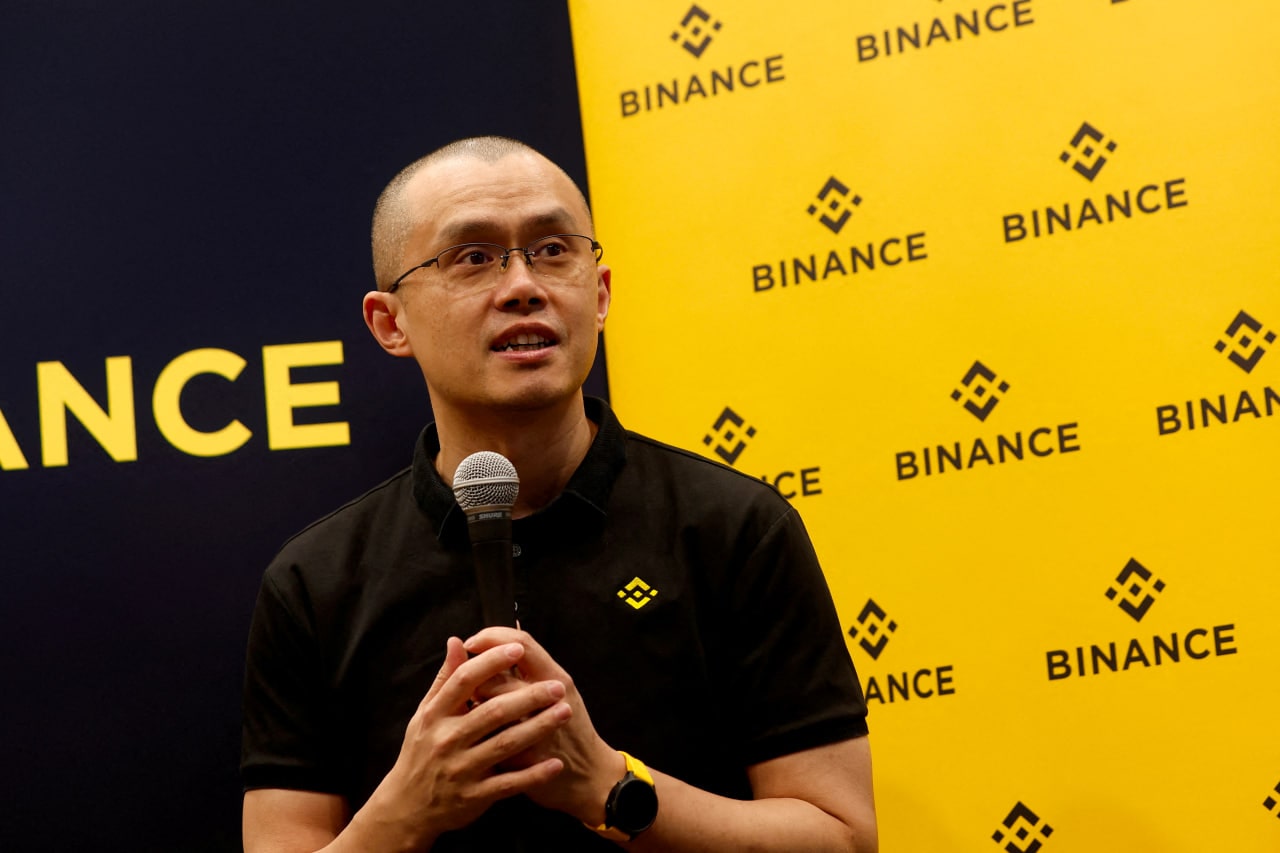
Binance CEO Changpeng Zhao Sees SEC's Request for Emergency Relief as Unfounded
Binance CEO Changpeng Zhao “CZ” said he is happy and relieved that the long-running dispute with the US Securities and Exchange Commission (SEC) has been successfully resolved.
Christopher Smith |
Learn
How Long Does the Apple Refund Take? How to Request for the Apple Refund?
This is about how long does the Apple refund take. You may have recently purchased an Apple product and you may not be satisfied with it.
Wayne Ingram |
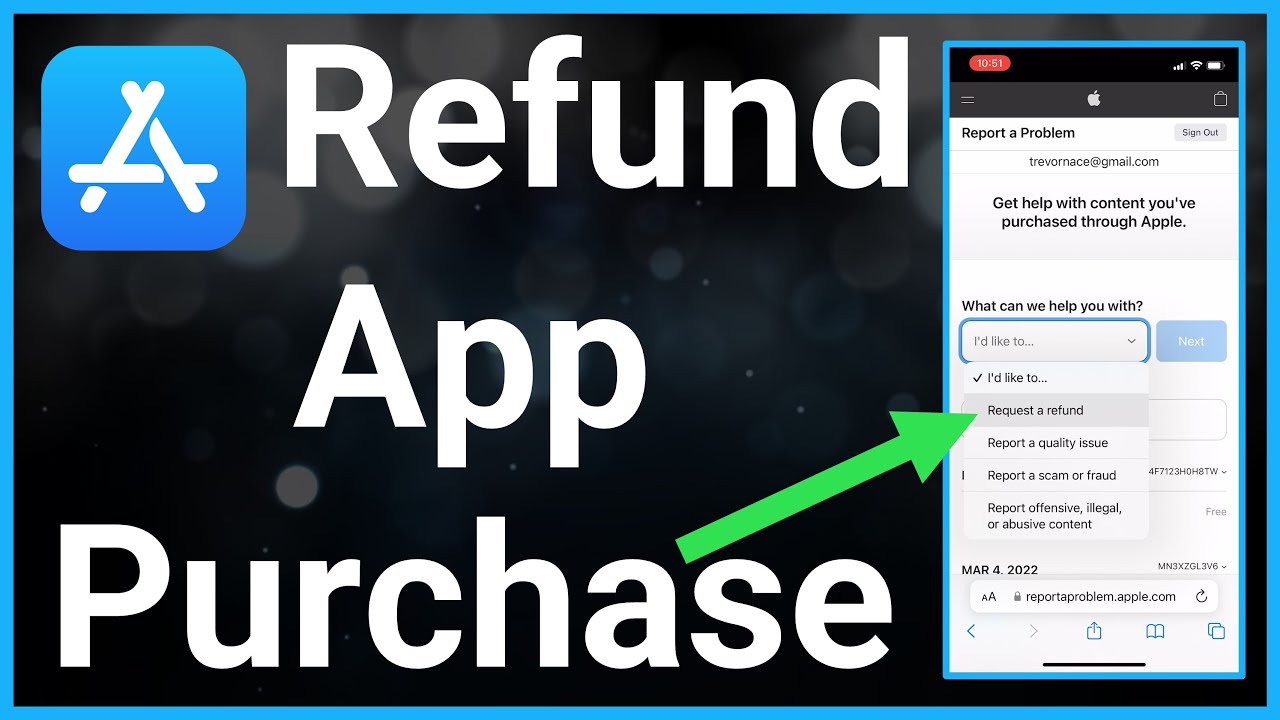
How to Request Refunds from Apple App Store? What to Do After Submitting a Refund Request?
This article is about how to request refunds from Apple App Store. Refund requests might seem daunting, but they are possible within certain parameters.
Martha Grizzard |

How to Get a Refund on PayPal? Steps to Request a Refund
This article is about how to get a refund on PayPal. PayPal's refund process is designed to protect both buyers and sellers in online transactions.
Sherry Cantwell |
Frequently Asked Questions
What Is The Current Price of Request?
Can I Buy Request on BitKan?
How Can I Stay Updated on Request's Latest Price and News?
Why Does The Price of Request Go UP and Down?
How Do I Store Request?