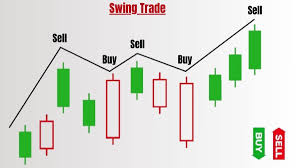
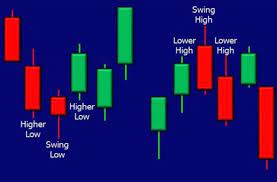
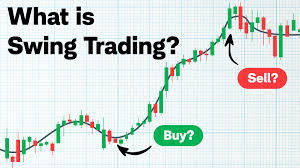
What is Swing Trading Meaning? Swing trading is the strategy of taking trades that can last from a few days to many months in an attempt to profit on an expected price movement. Let's take a closer look.
What is Swing Trading Meaning?
Swing trading is a kind of trading in which gains are sought over a few days to several weeks in a stock (or any other financial asset). Technical analysis is the main tool used by swing traders to find trading opportunities. Swing traders may utilize fundamental Analysis in addition to analyzing price trends and patterns.
Day Trading vs. Swing Trading
The holding period for positions typically marks the difference between swing trading and day trading. Swing trading, often, involves at least an overnight hold, whereas day traders close out positions before the market closes. In general, positions in day trading can only be held for one day, whereas those in swing trading can be held for a few days to several weeks.
Swing traders that hold overnight positions take on unpredictable overnightrisksk, such as gaps up or down against the position. Swing trades are typically conducted with smaller position sizes compared to day trades because they assume overnight risk (assuming the two similar size traders have). Day traders frequently take on larger positions, and they can use a 25% day trading margin.
Additionally, swing traders have access to a 50% leverage or margin. This means that if the trader is approved for margin trading, they only need to put up $25,000 in capital for a trade with a current value of $50,000, for example.
What is Swing Trading Meaning? What is the Difference Between Day Trading and Swing Trading? - Hopefully, this article can help you to get some knowledge.